Dreadful lightning shook Sint Maarten: ‘5’severely injured
2024-08-01 16:46:13
CARICOM leaders agreed to use a Trinidad and Tobago state-owned ferry as a temporary cargo service while a permanent regional ferry network is developed to reduce freight costs and strengthen intra-Caribbean trade.
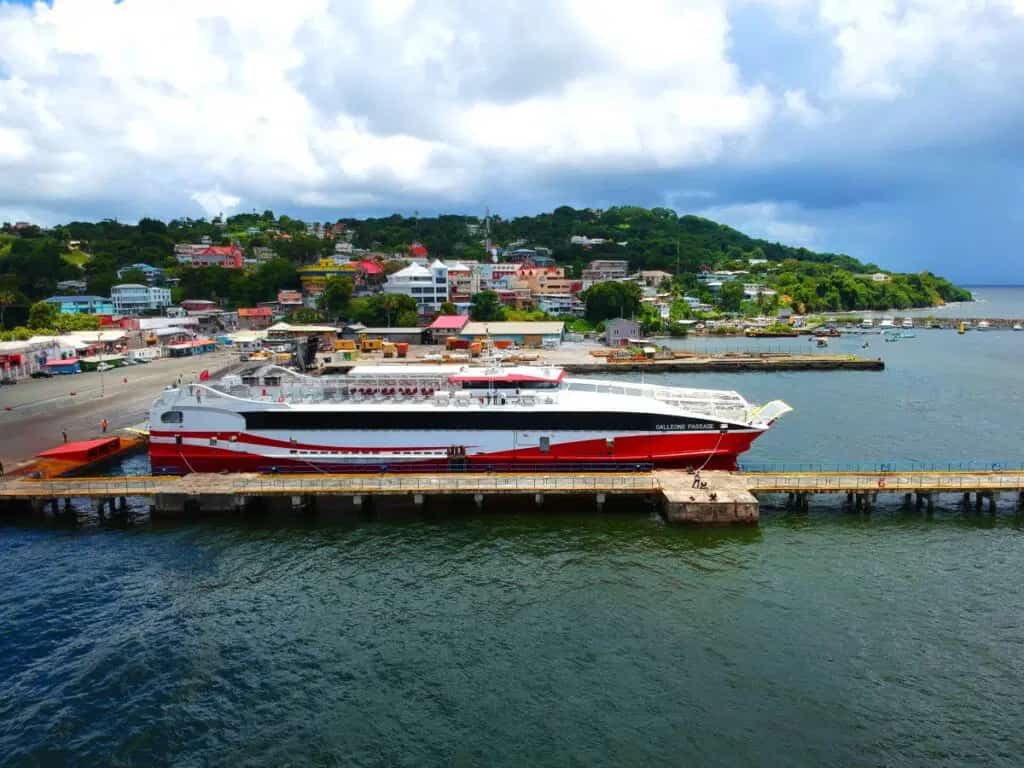
Trinidad and Tobago cargo ferry
Trinidad and Tobago to offer inter-regional cargo ferry services to stabilise inflation
Castries, St. Lucia: Trinidad and Tobago will temporarily provide one of its state owned transport vessels to serve as a cargo ferry between several Caribbean Community (CARICOM) nations. The interim service aims to lower intra-regional shipping costs, expand trade and stabilise the rising cost of living across the region.
The decision was finalised during the 51st Regular Meeting of the Conference of Heads of Government of CARICOM in St. Lucia. Regional leaders agreed to use Trinidad and Tobago’s maritime infrastructure as a short term solution while private sector operators finalised a permanent regional ferry system over the coming year.
The initiative steps into a broader push by regional leaders to protect Caribbean citizens from global inflation. Rising international fuel prices and high freight charges intensified by ongoing conflicts in the Middle East and global trade strains, have pushed up the cost of daily essentials and food items across the islands.
Barbados Prime Minister Mia Mottley, who leads the CARICOM Single Market and Economy (CSME) portfolio, explained that lowering transport hurdles is currently an urgent priority.
“The major initiative that we want to be able to do is to reduce the cost of cargo for intra island trade,” Mottley stated during the closing news conference.
She revealed that Trinidad and Tobago’s Prime Minister, Kamla Persad-Bissessar, agreed to enter high-level talks to deploy one of her country’s five existing ferries as a “proof of concept” pilot program.
The upcoming pilot service will focus initially on linking ports across the Southern and Eastern Caribbean. Over the next three months, regional leaders will work on technical and legal framework adjustments to ensure smooth operations.
To support the physical movement of goods, Prime Minister Mottley has undertaken the responsibility of collaborating with fellow leaders to create treaty arrangements. These will ensure the mutual recognition of vehicle licenses and insurance policies, allowing cargo trucks to seamlessly roll on and off the vessels from one member state to another.
Trinidad and Tobago Prime Minister Kamla Persad-Bissessar fully backed the shipping initiative for solutions that ease the economic pressure felt by Caribbean families. She emphasised that expanding both fast and conventional ferry services is a practical method to make regional economies more resilient and secure food supplies. Lower transport costs, she noted, translate directly into more affordable consumer items on retail shelves.
Beyond regional transit, Prime Minister Persad-Bissessar expanded on Trinidad and Tobago’s broader commitment to regional integration by offering support in the healthcare sector:
Affordable Prosthetics: Offering CARICOM citizens low-cost artificial limbs from Trinidad’s new prosthetic center, providing a cheaper alternative to expensive foreign options.
Medical Personnel Allocation: Sharing the country’s surplus of university-trained medical graduates and general practice doctors with neighboring islands to fill resource gaps.
Specialised Care Access: Opening the Couva Children’s Hospital to regional patients to provide specialised medical treatments at highly subsidised rates.
St. Lucia’s Prime Minister and current CARICOM Chairman, Philip J. Pierre, concluded the summit by stating that work towards an affordable intra-regional ferry service has been heavily accelerated. Moving forward, Prime Minister Persad-Bissessar will join upcoming trilateral talks alongside Prime Minister Mottley of Barbados and Prime Minister Godwin Friday of St. Vincent and the Grenadiens to formally structure the rules, schedules and specific port assignments for temporary vessels.