New flights of Caribbean Airlines added between Trinidad and Barbados for T20 World Cup
2024-06-19 06:13:46
Scheduled airline capacity across the Caribbean fell by 4.2% in July 2026, removing about 200,000 seats and raising concerns over regional connectivity, tourism and economic activity.
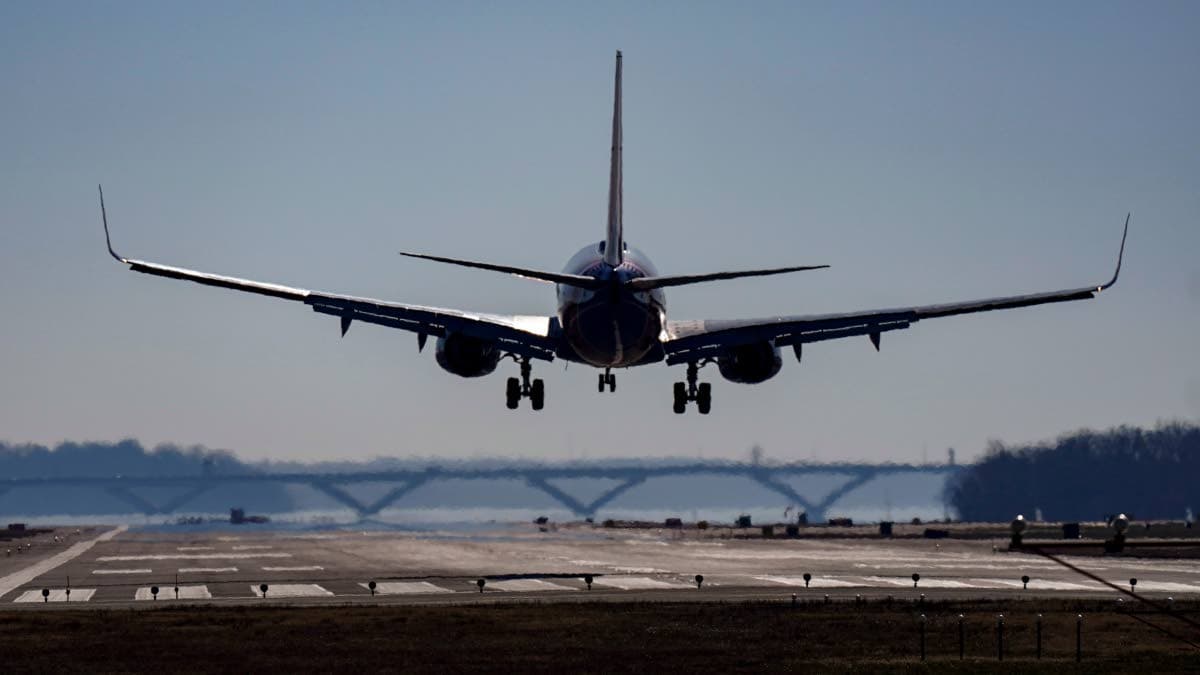
Airlines cut 200,000 seats across the Caribbean in July
Bridgetown: Travel to and from the Caribbean grew significantly harder this summer as airlines slashed thousands of flights from their schedules. Scheduled airline capacity across the region fell by 4.2% in July 2026 compared to the exact same month last year. This sudden contraction removed roughly 200,000 seats from global carrier routes, intensifying sharp concerns over regional connectivity and local stability.
For an archipelago heavily dependent on aviation for commerce, family connections, and everyday transit, losing hundreds of thousands of seats during a peak summer travel month presents a serious challenge.
The drop puts the Caribbean among the hardest-hit regions on the globe. According to new aviation data released by OAG, a UK-based flight analytics firm, the region recorded the world’s second-largest percentage decline in scheduled airline capacity.
Only the Middle East experienced a steeper contraction, dropping 7.0% year over year. Out of eleven global regions tracked by aviation analysts, the Caribbean stood out as one of only five market regions to shrink. In contrast, total global airline capacity actually grew by 1.5% over the same timeframe, adding more than 8 million seats worldwide. While much of the international travel market continues to expand post-pandemic, the Caribbean is heading in the opposite direction.
Unlike mainland continents connected by extensive highway systems and railway networks, island nations rely almost entirely on aviation as a daily lifeline.
Fewer seats mean far fewer options for travellers, higher ticket prices due to tighter supply, and immediate trickle-down consequences for local economies:
Tourism Bottlenecks: Major hotels, small guest houses, tour operators, and restaurants rely on steady tourist arrivals. Fewer seats cap the maximum number of visitors who can physically reach the islands.
Inter-Island Isolation: Reduced regional routes make traveling between neighboring islands longer and more expensive, impacting trade, medical travel, and regional business operations.
Supply Chain Strain: Passenger aircraft carry significant amounts of belly cargo. Fewer commercial flights restrict air freight options for time-sensitive goods entering the region.
Aviation experts point to a combination of shifting airline strategy, fleet reallocations toward high-yield transatlantic routes, and ongoing aircraft availability issues as key drivers behind the pullback. As carriers re-evaluate their summer profit margins, shorter holiday routes often face the chopping block first.
With the critical winter travel season fast approaching, tourism boards, hotel associations, and government leaders across the Caribbean are pushing airlines to restore lost routes. For a region built on international hospitality and open connections, getting those 200,000 seats back in the air is now a top economic priority.