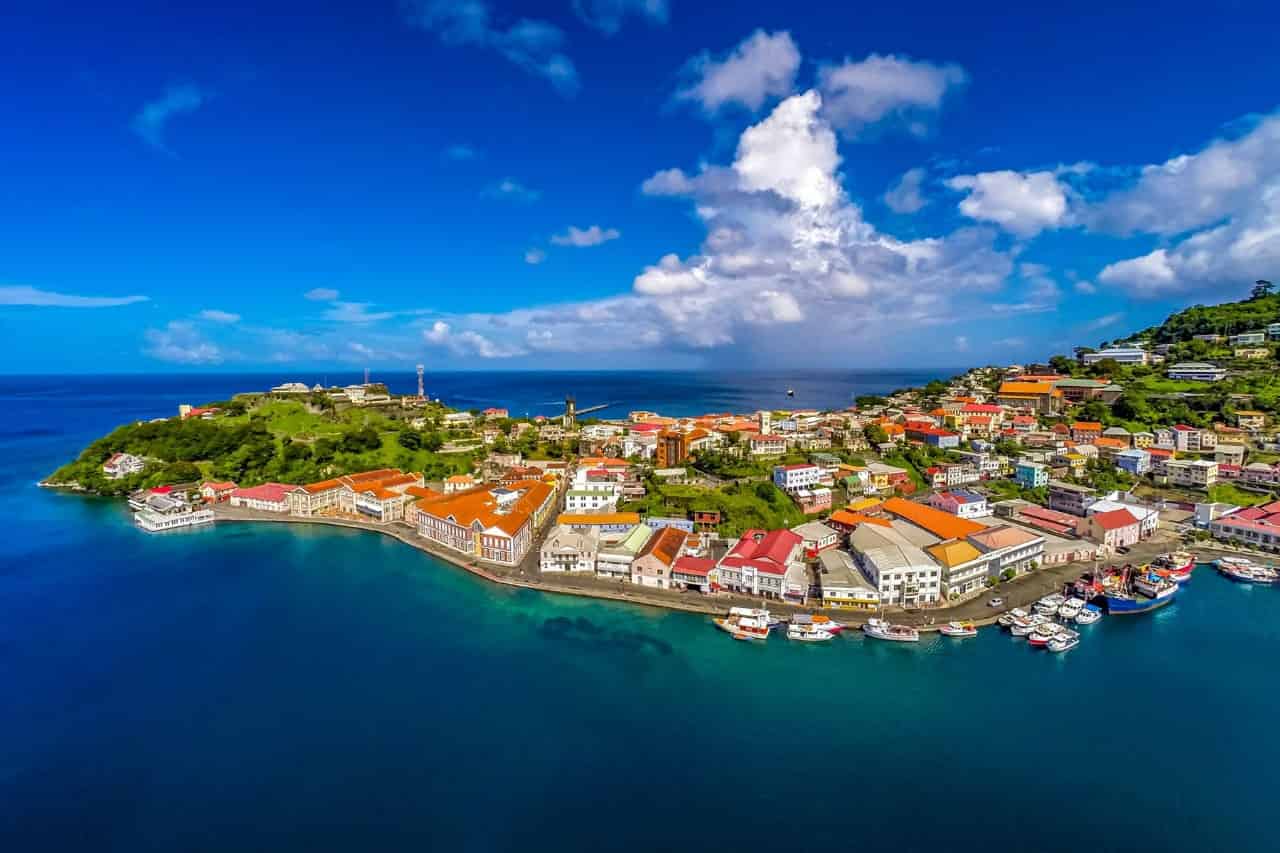
Saint Lucia issues All Clear after hurricane BERYL
2024-07-02 09:57:38
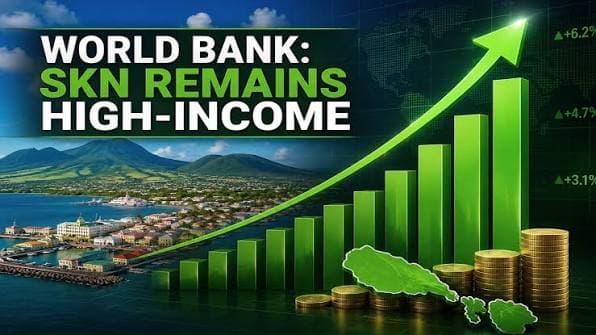
St. Kitts and Nevis remains among six Caribbean nations classified as high-income economies by the World Bank, based on its latest Gross National Income per capita assessment for 2025.
World Bank income classification
St. Kitts and Nevis has retained its high-income economy status in the World Bank’s latest annual income classification. The Federation remains in the World Bank’s highest income category alongside Antigua and Barbuda, The Bahamas, Barbados, Guyana and Trinidad and Tobago.
High income economies have a Gross National Income of US$14,375 or more. This classification is based on 2025 Gross National Income per capita. It is measured in the U.S. Dollars using the World Bank’s atlas methodology. This methodology eases exchange rate fluctuations to reduce the impact of short-term volatility.
The income thresholds are updated each year to account for inflation. The report also notes that changes in economic growth, population growth, national accounting methods and data revisions can affect a country’s classification.
Jamaica remains in the upper middle-class-income category, while the World Bank said none of the economies assessed this year moved down an income group.
St. Kitts and Nevis is one of only a few Caribbean countries to remain in the World Bank's highest income category. Other Caribbean nations that also retained their high-income status are Antigua and Barbuda, The Bahamas, Barbados, Guyana and Trinidad and Tobago.
The World Bank's income classifications are used around the world to compare the economic performance of countries. Although the classification does not measure the overall quality of life, it is an important indicator of a country's average national income and economic progress.
Having several Caribbean countries remain in the high-income group is also positive for the region. It shows that many Caribbean economies continue to perform well despite global economic challenges. It can also help strengthen investor confidence and support future economic growth across the region.