Fish Festival 2024 set to return to Nevis, seafood on sale
2024-05-23 02:58:59
Scientists aboard the RV Falkor recovered a rare deep-sea octopus during Trinidad and Tobago’s first deep-sea expedition, with researchers now examining its DNA to determine whether it represents a previously unknown species.
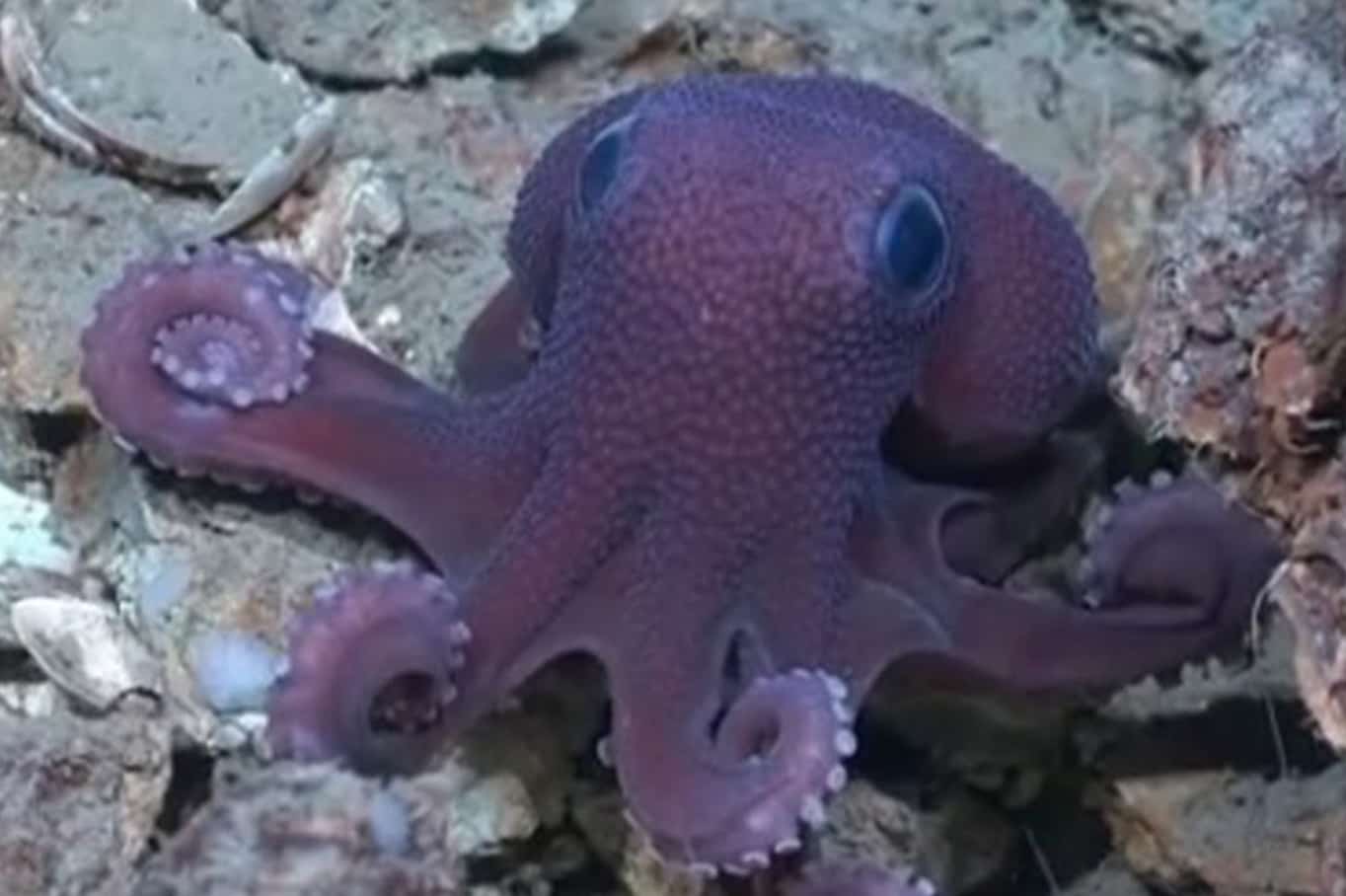
Trinidad and Tobago deep-sea expedition
Trinidad and Tobago: An unknown deep-sea octopus has been discovered in the waters of Trinidad and Tobago by the scientists. This new discovery may represent a species new to science.
This deep-sea octopus species was found during the country’s first deep-sea scientific expedition aboard the research vessel RV Falkor.
The expedition team announced on social media that the researchers have collected the only specimen of its kind ever recovered.
Scientists will now study the octopus’ anatomy and DNA to determine whether it is a species previously unknown to science. If confirmed, it will be formally described and given a scientific name.
When asked the question whether the octopus would be returned to the ocean, the team answered that it is highly unlikely that this octopus would be able to survive. They explained that while some deep-sea creatures occasionally survive being brought to the surface, this octopus would not be able to withstand the dramatic pressure change and temperature.
So instead, the specimen will be preserved for scientific research.
Researchers said that the detailed examination will help in determining if it is a new species and will provide valuable information about Trinidad and Tobago’s deep-sea biodiversity.
After the research is completed, the specimen will remain in Trinidad and Tobago as part of a museum collection. It will be available to scientists, researchers, educators and future generations.
The expedition team highlighted the importance of deep sea exploration by saying that this discovery has opened more opportunities for new discoveries.
“Every dive has the potential to reveal something the world has never seen before,” the team quoted.
The month-long mission, which started from June 29 will continue till July 28. It is bringing together local and international scientists to explore some of the least studied parts of the country’s marine territory.
This expedition is being led by Trinidad and Tobago’s deep sea biologist Dr Diva Amon. Its main aim is to explore ecosystems that have never before been scientifically explored by a local-team.
More than 90 per cent of Trinidad and Tobago’s marine territory is beyond safe diving depth, and it’s the reason why the deep oceans are the largest and least understood ecosystems.