Barbados’ Gabriella Babb wins first national medal in 50m butterfly race at age of 7
2024-04-25 12:52:23
Speaking at regional meetings in Martinique and Saint Lucia, Prime Minister Roosevelt Skerrit said Caribbean countries must work together to tackle cross-border security, cyber threats and climate-related risks.
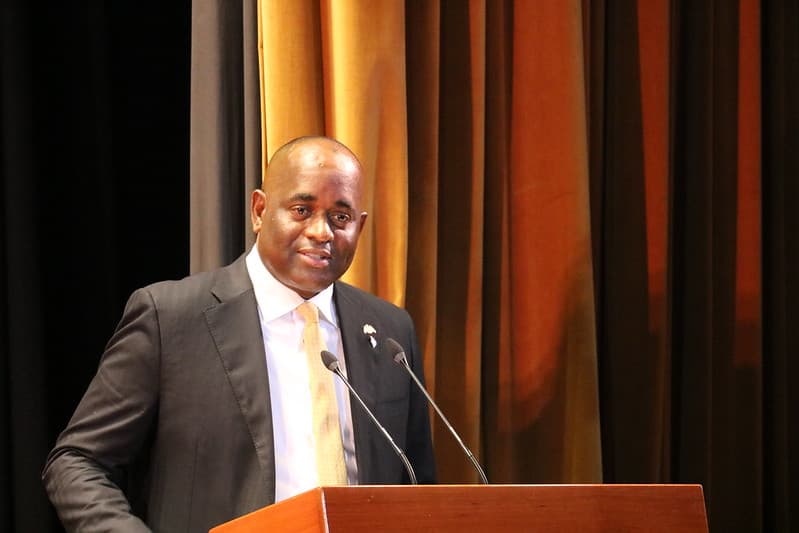
Dr. Roosevelt Skerrit
Roseau, Dominica: In a major push for regional integration, Dominican Prime Minister Dr. Roosevelt Skerrit has called on Caribbean nations to overhaul their approach to national safety. He warned that traditional policing alone is no longer enough to protect the region from modern, cross-border threats.
Speaking to regional leaders and security partners, Dr. Skerrit argued that today’s challenges, ranging from cyberattacks and climate disasters to food and energy insecurity, requires a highly coordinated, multi-layered alliance. The Prime Minister urged the Caribbean community to move past isolated, reactive law enforcement and instead build a collective shield that protects both lives and economic stability.
The Dominican leader’s remarks came as a part of a series of high-level diplomatic engagements across the Eastern Caribbean. Dr. Skerrit actively participated in the Joint Session of the Caribbean Regional Security Conference held in Martinique, before heading to Saint Lucia for the 51st Regular Meeting of the Conference of Heads of Government of CARICOM.
Throughout these summits, security emerged as a dominant theme. In his addresses, PM Skerrit highlighted the reality that small island developing states (SIDS) face a unique cocktail of vulnerabilities. These vulnerabilities cannot be solved at the domestic level alone, demanding instead a unified stance and practical, shared solutions.
According to PM Skerrit, the modern definition of ‘security’ must expand far beyond street crime and physical borders. He outlined several critical areas that now dictate the safety and survival of Caribbean societies:
Cybersecurity and Digital Networks: As Caribbean governments and businesses move online, they face sophisticated digital threats that target critical infrastructure.
Climate Change and Disaster Resilience: Rising sea levels and intense hurricanes are direct threats to national stability, making climate defense a core security pillar.
Border and Maritime Security: The vast, open waters of the Caribbean require shared intelligence and joint patrols to counter illicit trafficking and protect sovereign borders.
Resource and Economic Security: Ensuring a steady, affordable supply of food and energy is vital to preventing social unrest and maintaining democratic institutions.
“We must address the evolving security challenges facing our region with a unified strategy,” Skerrit stated. “This means safeguarding our borders, securing our digital networks, and protecting our democratic institutions from external shocks.”
To put this vision into action, Dr. Skerrit is advocating for stronger regional frameworks, such as the Regional Security System (RSS) and CARICOM’s existing crime and security organs. He emphasised that sharing real-time intelligence, pooling coast guard resources, and standardising regional disaster response protocols are vital steps forward.
By treating these issues as interconnected, PM Roosevelt Skerrit believes the Caribbean can build long-term resilience. He concluded by reaffirming Dominica’s commitment to advocating for practical solutions that strengthen Caribbean integration and improve the daily lives of citizens across the archipelago.