Structure of MRI building taking shape at JNF Hospital, PM Drew shares glimpses
2024-10-02 10:20:17
The five Eastern Caribbean countries operating CBI programmes will send a high-level delegation to Brussels to discuss the EU's proposal to phase out citizenship by investment programmes by 2028.

CBI Nations to Meet EU Leaders in Brussels Over Revised Visa Suspension Mechanism
The Heads of Government of the Caribbean countries with CBI Programmes is all set to undertake a high-level mission to Brussels to talk about the implications of the European Union's revised visa suspension mechanism. The meeting will feature the delegation of these countries who will talk about the importance of the Citizenship by Investment Programme for these small island nations and also to explore practical and mutually beneficial solutions to the issue.
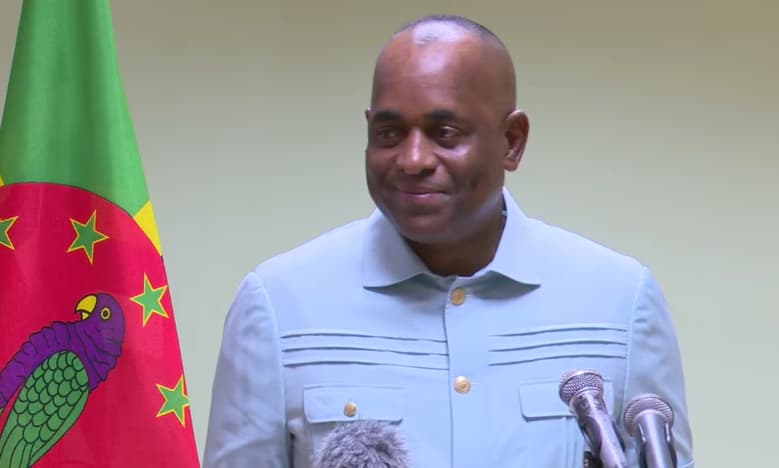
The heads of the government hosted a meeting in Roseau, Dominica on July 10, 2026 to discuss the issues raised by the European Union. Prime Minister Dr Roosevelt Skerrit outlined the result of the meeting and said that the CBI has always remained a key pillar for the advancement of the small island states.
He said that the mission will engage directly with thePresident of the European Commission, the President of the European Council, the High Representative of the Union for Foreign Affairs and Security Policy.
These engagements will seek to deepen mutual understanding of the unique vulnerabilities and development realities of small island developing states, to explore practical and mutually beneficial solutions to the issues identified by the European Union, and to strengthen the longstanding partnership between the European Union and the Eastern Caribbean.
In a joint statement issued following the meeting, the Heads of Government reaffirmed their commitment to maintaining the highest standards of security, transparency, integrity, and governance within their CBI programmes. They highlighted a series of reforms implemented in recent years, including strengthened due diligence procedures, enhanced information-sharing mechanisms, greater transparency measures, and the adoption of regional regulatory standards designed to align with evolving international expectations.
A key element of the leaders' position was the establishment of the Eastern Caribbean Citizenship by Investment Regulatory Authority, which they described as a significant advancement in regional oversight and compliance. The institution is intended to harmonise regulations across participating states, strengthen accountability, and ensure continuous improvements in programme management.
The meeting comes against the backdrop of increased scrutiny from the European Union. Recent communications from Brussels have indicated that the operation of Citizenship by Investment programmes could be considered a basis for future visa-related measures under the EU's revised framework.
Earlier this week, Antigua and Barbuda confirmed that the European Commission had requested participating Caribbean states to consider phasing out their programmes by June 2028, while also proposing enhanced interim security measures.
Despite the growing pressure, regional leaders stressed that Citizenship by Investment programmes have become an indispensable source of development financing for small island developing states.
According to the joint statement, revenues generated through these initiatives have funded climate resilience projects, disaster recovery efforts, infrastructure development, housing programmes, healthcare services, education initiatives, and broader fiscal stabilisation measures.
The leaders argued that the programmes have enabled their countries to withstand external economic shocks while reducing dependence on unsustainable borrowing.
The Heads of Government cautioned that any future changes affecting CBI programmes must take into account the unique vulnerabilities of small island developing states. They noted that any transition away from a significant source of development financing would require a comprehensive framework capable of protecting economic stability, preserving development gains, and supporting the creation of sustainable alternative revenue streams.
To advance discussions, the leaders agreed to undertake a high-level mission to Brussels in the coming months. The delegation is expected to engage directly with senior European Union officials, including representatives of the European Commission, European Council, and the EU's foreign affairs leadership. The objective, according to the statement, is to deepen understanding of the development realities facing Caribbean states and to identify practical, mutually beneficial solutions to the concerns raised by the European Union.
Beyond the future of Citizenship by Investment programmes, the Caribbean leaders also expressed interest in expanding cooperation with the European Union in areas such as climate resilience financing, economic diversification, strategic investment partnerships, and sustainable development support. They argued that any future arrangement should reflect both the EU's policy objectives and the development needs of vulnerable island economies.
The leaders concluded by expressing confidence that constructive dialogue and continued cooperation would lead to balanced and durable solutions. They emphasised that future discussions should be guided by the principles of partnership, proportionality, shared responsibility, and sustainable development, while preserving the longstanding relationship between the European Union and the Eastern Caribbean.