Grenada: Education Minister celebrates school reopening by serving fruits to students
2024-10-02 08:52:04
Prime Minister Gaston Browne said the government will consult stakeholders before tabling a parliamentary resolution on the Citizenship by Investment Programme as international pressure over visa-free travel intensifies.
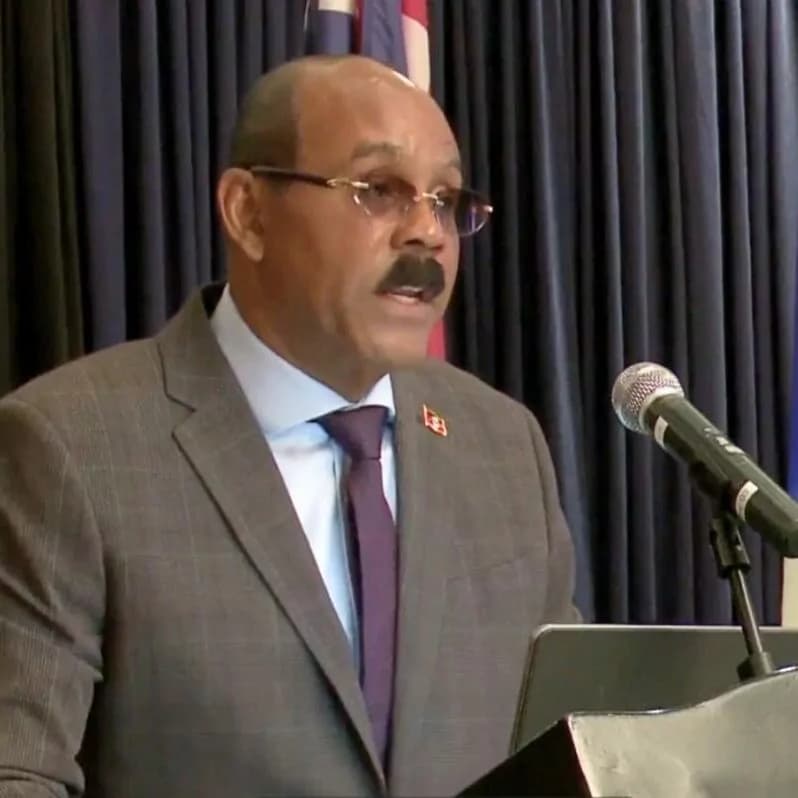
Antigua and Barbuda: Amid growing pressure from the United States and the European Union, Antigua and Barbuda is preparing to debate the future of its Citizenship by Investment Programme (CIP). The international pressure that is raising concerns about the country’s visa-free travel privileges is forcing the country to rethink the CIP initiative.
Prime Minister Gaston Browne said that the administration is planning to table a resolution in Parliament after consulting stakeholders to determine whether the programme should be continued, modified or suspended.
This debate comes after the United States refused to issue new visas to Antiguan and Barbudan nationals. The European Commission warned that the country could face restrictions on visa-free travel to the Schengen Area unless the programme ends by June 2028.
Speaking in an interview, Browne said that the country must carefully weigh the economic value of the Citizenship by Investment Programme against the importance of maintaining visa-free access to major international destinations.
He said that the programme generates about US $100 million and asked if preserving access to the European Union is worth losing this source of revenue.
According to the Prime Minister, the planned parliamentary debate aims to build a national consensus on the issue rather than making the decision without broad discussion. He said that discussions with stakeholders will be held before a resolution is brought before the parliament. This will allow the representatives to examine the options and the impact that they could cause to the country’s economy and international relations.
Browne also argued that Antigua and Barbuda has spent years defending the integrity of its Citizenship by Investment Programme. He warned that if similar programmes will be discontinued across the Caribbean then this could lead to financial pressure on regional economies.
He stated that people may only know the importance of this programme and its economic contribution if it is no longer available.
The issue has become more urgent after recent actions taken by the United States and the European Commission. Browne said that his administration has spent months seeking an explanation from Washington regarding the visa restrictions.
According to him, Antigua and Barbuda has received little information beyond concerns related to residency requirements associated with its citizenship programme.
Browne said that he hopes to have discussions with both Washington and the European Union. He said that these discussions may lead to a consensus in the coming weeks. Until then, the planned parliamentary debate is expected to play a key role in determining the future of Antigua and Barbuda’s Citizenship by Investment Programme.