Bahamian authorities ordered to pay $2 Million relief to Jamaican national
2024-08-07 12:15:37
The new system will replace the existing 15%, 25% and 35% tax bands, while people earning EC$30,000 or less annually will continue to benefit from the personal income tax-free threshold.
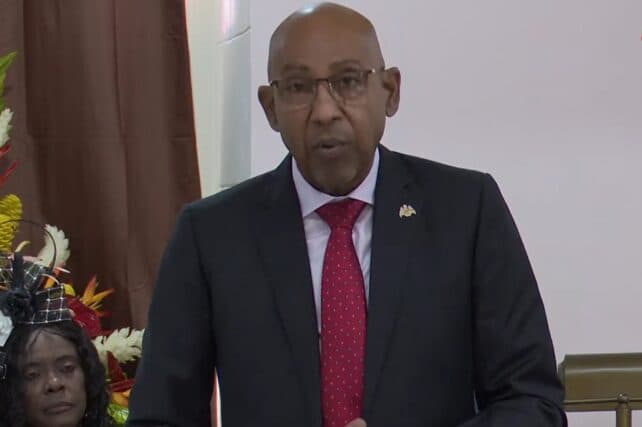
Finance Minister Irving McIntyre
Dominica: Citizens of Dominica will soon be paying less personal income tax after the country announced what Finance Minister Irving McIntyre described as the largest income tax reduction in the nation’s history.
Starting from January 1, 2027, everyone earning more than EC$30,000 a year will pay a single flat income tax rate of 10%. This system is replacing the current three-tier system of 15 percent, 25 percent and 35 percent.
This historic announcement was made during the presentation of the EC$1.125 billion National Budget for the fiscal year 2026/2027.
According to this latest system, the people who are earning EC$30,000 or less annually will continue to pay no personal income tax. Now the citizens will not pay different tax rates based on income levels but everyone earning above that threshold will pay the same 10 percent rate. This will make the tax system simpler and easier to understand.
Dr. McIntyre said during the budget presentation that the government is working towards reducing the tax burden on working people.
"Today, despite a global environment marked by economic uncertainty, this government will again provide relief to further empower the hardworking people of Dominica."
"The most significant income tax relief ever granted to the people of Dominica. It will deliver meaningful savings to workers and make our tax system simpler and fairer," he said, describing the measure.
According to the finance minister, the reform will leave workers with more disposable income each month. This will hence allow families to manage their everyday expenses better, reduce debt, invest in education, improve their homes or even start small businesses.
The Finance Minister said that the latest reform builds on tax changes introduced over the past two decades. Rates stood at 20 percent, 30 percent and 40 percent when the administration took office. At that time, only the first EC$12,000 of annual income was tax free.
After the economic recovery of the country and the successful completion of an International Monetary Fund (IMF)- supported programme, the country was able to reduce further tax relief, reducing the rates to 15 percent, 25 percent, and 35 percent. The tax-free threshold was then increased first to EC$25,000 and later to EC$30,000.
Dr. McIntyre also highlighted how the new system will benefit workers. He explained through an example that a person earning EC$48,000 a year will keep an additional EC$900 annually, while someone who is earning EC$60,000 will save about EC$2,500 a year, and he gave many more examples to explain the benefits of this reduction in income tax.
In addition to the flat tax, the budget also announced that from January 1, 2027, both the residents and non-residents will pay income tax only on income earned in Dominica, ending the taxation of legitimate worldwide income.
The administration said that these reforms are focused on making Dominica more competitive, attract investment and allow people to keep more of what they earn while supporting continued economic growth.