Amusement Park to open in St Kitts and Nevis as part of Independence 41
2024-09-04 06:51:11
Five important bills, including those on medical regulation, food safety, and payment systems, were discussed to modernize Dominica’s laws and align with regional CARICOM standards.
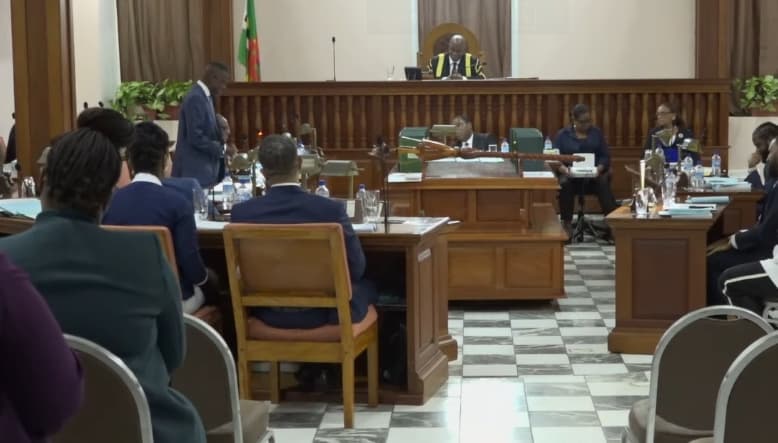
Dominica Parliament
The fifth meeting of the third session of the eleventh parliament for the Commonwealth of Dominica took place on Monday, February 23, 2026 at the House of Assembly on Victoria Street in Roseau. During this meeting, five major legislative bills were presented for debate by the Dominica Labour Party to Parliament.
The bills aims to modernize regulatory frameworks, enhance public health and align national laws with regional CARICOM commitments.
The presented bills include – Medical Professional Bill 2026, Nurses and Midwives Bill 2026, Food Safety Bill 2026, Movement of Factors Bill 2026 and Payment System and Services Bill 2026. These five bills aim to strengthen Dominica and make it more transparent.
The Medical Profession Bill 2026, has been put on the table with an aim of creating the Dominican Medical Council as the statutory authority. This Council will be held responsible for registering, licensing and overseeing medical practitioners. It aims to replace the former Medical Board. This bill sets clear standards for professional conduct, training and continuing medical education. Under this bill, clear structured systems will be established for complaints, investigations and disciplinary action. It will be done in order to protect the public. The Medical Professional Bill also provides for specialists and provisional registration and requires valid licences to practice. Through a public medical register, the bill aims to strengthen accountability and maintain transparency.
The Nurses and Midwives Bill 2026 discusses the establishment of the Dominican Nurses and Midwives Council as the regulatory authority. This Council will be responsible for all the registration, enrollment and licensing. The bill sets the national standards for education, training, professional conduct and continuing professional development. The bill also creates clear categories for advanced practice nurses, interns and practical nurses. It aims to strengthen complaints, investigations and disciplinary procedures. The bill underscores a right to appeal and ensures public access to the official register of licensed professionals.
The Food Safety Bill 2026 establishes the Food Safety Service. The Food Safety Service will serve as the national authority, which will be responsible for regulating food safety and quality. It aims to mandate licensing of food businesses and certifications of food handlers. It is done to strengthen inspection and enforce power. It also provides mechanisms for traceability, recall and emergency response. The bill underscores how to combat food frauds and false labelling. It also establishes clear offences, penalties and fixed fines for frauds committed. This provision is made to lay focus on regulating imports and exports and facilitates the safe free movement of food within the OECS Economic Union.
The Movement of Factors Bill 2026 gives effect in Dominica to key provisions of the revised Treaty of Chaguaramas, establishing the CARICOM single market and economy. The bill guarantees the right of establishment for CARICOM nationals in Dominica and it also guarantees the right to provide services across member States. It prohibits discriminatory restrictions against CARICOM nationals and removes existing barriers in line with approved CARICOM programmes. The bill establishes safeguards to protect economic stability, public order, national security or other legitimate public interests.
The Payment System and Services Bill 2026 is the fifth numbered bill. It establishes a legal framework for the licensing, regulation and oversight of payment service providers and payment systems in Dominica. It focuses on strengthening oversight by the Eastern Caribbean Central Bank and creates the Eastern Caribbean Payments Council to provide oversight of payment systems. The bill guarantees the right to provide services across member states and to strengthen consumer protection, transparency and mandates enhanced interoperability and digital payments. The bill provides clear powers for supervision, enforcement, data protection and anti-money laundering compliance.