St Kitts and Nevis: Warner Park Stadium modifies as CPL 2024 approaches
2024-07-29 06:35:52
Petrojam raised gasoline, diesel, kerosene, propane and butane prices, citing global supply pressures from ongoing tensions in the Middle East.
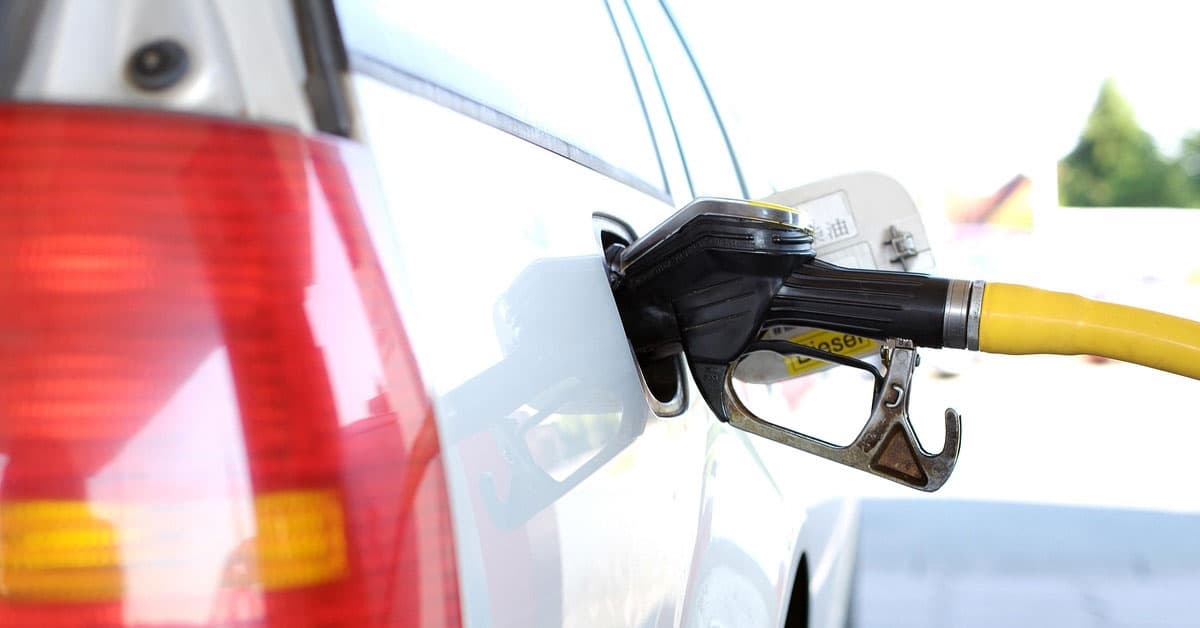
Petrojam raised gasoline, diesel, kerosene, propane and butane prices
Jamaica: Petrojam has announced that fuel prices will rise from 12 March 2026. Gasoline, diesel, and kerosene will increase by $4.50 per litre, while propane and butane will rise by $3.06 per litre.
Jamaica’s only petroleum refinery, Petrojam, shared that 90-octane will be sold for $166.32 per litre after an increase of $4.50, while 87-octane will be sold for $158.88 per litre, up by $4.50. The automotive diesel fuel will be cost at $171.25 per litre after an increase of $4.50 and the ultra-low sulphur diesel would cost around $178.09 per litre, up by $4.50. Kerosene is also increased by $4.50 and will be sold for $160.64 per litre. Propane liquid petroleum will be sold for $73.99 per litre, up $3.06 and butane liquid petroleum will be sold for $ 83.21per litre, up $3.06.
These prices mentioned are the base prices. On this amount the retailers and marketing companies will add their own markups.
The officials of Petrojam have claimed that they have played a major role in protecting the interest of motorists from the full impact of rising global fuel costs. Instead of passing the whole burden of increase in fuel prices, the company has subsidized it.
The officials stated that if the petroleum prices were raised according to the key international benchmark, then a rise between $8.45 to $12.66 per liter would have been witnessed by the motorists.
A reassurance was given by the Petrojam about the stability of fuel supply to the people of Jamaica. They said that the refinery has maintained normal inventory levels.
This surge across all the petroleum categories is a result of the ongoing geopolitical tension in the Middle East. Due to the US-Israeli war against Iran, the oil supply has been on hold leading to a heightened concern regarding the cost of fuel. This is because of the significance Strait of Hormuz holds. This passage is a critical global shipping lane through which about 20 percent of the world’s oil and gas passes.