

Royalton Chic Resort officially opens in Antigua and Barbuda
2024-05-01 05:28:54
The revised system will exempt the first EC$30,000 of annual personal income from taxation, while other cost-of-living measures include duty waivers and an increase in the minimum wage.
Dominica will introduce a single personal income tax rate of 10 percent from 1 January 2027, replacing the existing tax structure, while retaining a tax-free income threshold of EC$30,000.
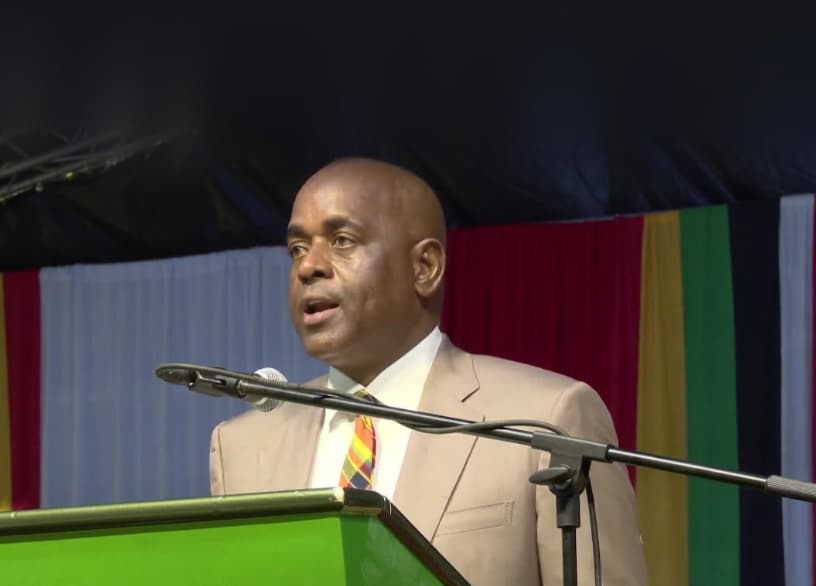
The announcement was made by the Prime Minister during his address marking Dominica's 48th anniversary of independence, as he outlined measures aimed at easing financial pressures on households and improving the country's tax framework.
Under the announced changes, the first EC$30,000 of personal income will remain completely exempt from income tax, while income subject to taxation will fall under a single 10 per cent rate.
"From the 1st of January 2027, a single personal income tax rate of 10% will replace the old man's. While the first $30,000 of income remains completely tax free," the Prime Minister said.
The reform forms part of a wider package of measures introduced by the Government in response to rising living costs, which the Prime Minister attributed partly to international supply chain disruptions and global inflation.
Acknowledging the financial challenges facing households, he noted that families were having to make difficult decisions as they managed everyday expenses, with parents and working individuals seeking greater financial breathing room.
"I hear your concerns. I understand your anxieties. And I want you to know that your struggles are not lost on me as your Prime Minister," he said.
He also outlined other interventions intended to reduce household expenditure. These include the waiver of duties on essential goods and household items when prices increase, alongside the removal of a tax on imported goods and customs charges from 1 October 2026, as described in the address.
An increase in the minimum wage was also highlighted as part of the Government's efforts to provide additional support to workers on lower incomes.
Emphasising the need for practical action to address the cost of living, the Prime Minister said: "A responsible government does not offer excuses. It delivers relief."
The income tax reform is expected to take effect at the beginning of 2027, giving individuals and businesses time to prepare for the transition to the revised system.
The announcement comes as Dominica approaches its 50th anniversary of independence in 2028, with the Government identifying improved living standards, economic productivity and greater opportunities for citizens as key priorities for the period ahead.
Through the proposed tax changes and wider cost-of-living interventions, the Government aims to respond to household pressures while supporting a more accessible and straightforward personal income tax structure.


