Trelawny suffers with $30 Million damage post BERYL: Mayor Collen Gage
2024-07-12 12:52:45
The agreement establishes a framework for automated biometric data sharing, allowing participating countries to strengthen border security, immigration screening and the identification of potential security threats.
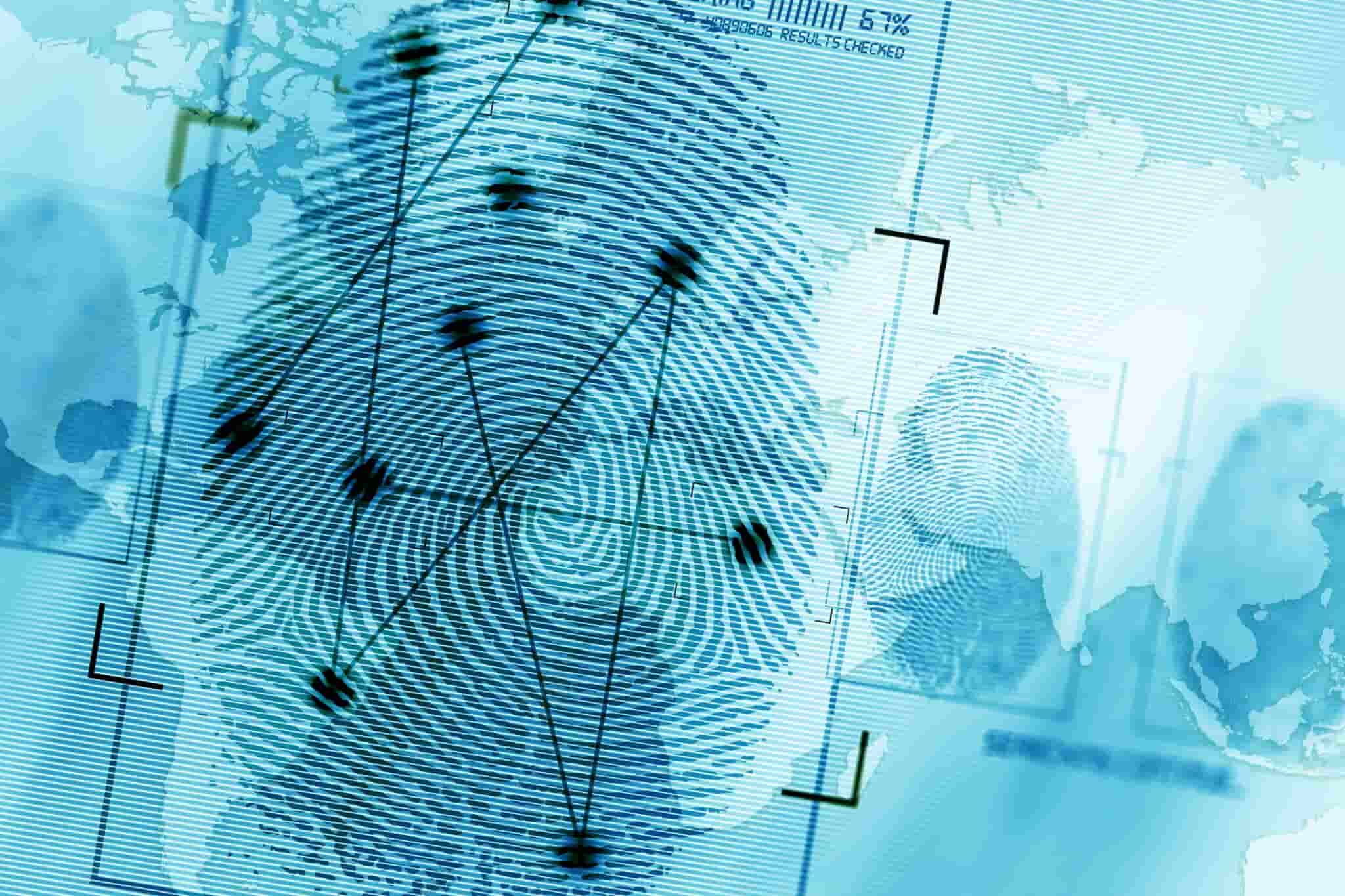
Seven Caribbean Nations Join US in New Biometric Security Partnership
Dominica and six other Caribbean nations have signed a major new border security agreement with the United States. The deal creates a partnership to quickly share biometric data, such as fingerprints and facial scans, to protect regional borders and improve travel safety.
The agreement, known formally as the Biometrics Data Sharing Partnership (BDSP), was signed at the Embassy of St. Kitts and Nevis in Washington. This represents a massive evolution in regional intelligence gathering, explicitly designed to target a long-standing vulnerability, the potential exploitation of local passport programmes.
At its technical core, the BDSP establishes a network for automated data queries. Instead of relying on slow, manual requests for information between countries, border agents can instantly check cross border databases.
When a traveller checks in for a flight or crosses a border, their biometric profile including digital fingerprints and facial scan, is instantly cross-referenced against criminal, national security and immigration databases in both the U.S. and participating Caribbean states.
The participating coalition includes Dominica, Antigua and Barbuda, Grenada, St. Kitts and Nevis, St. Lucia and St. Vincent and the Grenadines, alongside the Eastern Caribbean Central Bank (ECCB).
While the pact is framed as a broad counter terrorism and anti-smuggling tools, U.S. and Caribbean officials acknowledge its primary, precise target, Citizenship by Investment (CBI) programmes.
For decades, several Eastern Caribbean nations have offered legal citizenship for foreign nationals in exchange for real estate investments or direct contribution to the government funds. While these programmes provide vital economic revenue for small island nations, they have increasingly drawn intense scrutiny from Washington and the European Union.
According to the U.S. Presidential Proclamation 10998, bad actors have historically used purchased citizenships to legally alter their legal names, mask their original country of origin, hide financial assets and bypass visa restrictions.
A person banned from entering the United States under their original passport could theoretically apply for a Caribbean CBI passport under an altered or simplified identity, effectively washing their travel history. Because biometrics cannot be altered by a name change, the new BDSP system closes this loophole entirely.
The U.S. can now instantly cross-reference new CBI applicants or passport holders against its global watchlists before they ever approach an American port of entry.
For the participating CARICOM nations, signing this agreement was a matter of critical economic survival. The U.S. and the EU have increasingly threatened to revoke visa-free travel privileges for citizens of nations with lax CBI vetting procedures.
By voluntarily integrating their regional security arms, the Regional Intelligence Fusion Centre and the Joint Regional Communication Centre, with U.S. standards, these Caribbean nations are protecting the legitimacy of their global passports.
DHS Under Secretary Rob Law emphasised the historic scope of the agreement, highlighting that it marks the first time in history that the United States has successfully negotiated a multilateral biometric pipeline with a regional organisation rather than a single nation.
As the program rolls out through 2026, it sets a brand new precedent for how Washington intends to handle border control across the Western Hemisphere, by exporting its tech-driven security net directly to foreign shores.