King Charles III meets West Indies squad ahead of first test match against England
2024-07-08 06:09:56
More than 30,000 workers and self-employed people are now contributing to the Social Security Board, marking the largest registered workforce in the Federation’s history and reflecting growth in employment and wages.
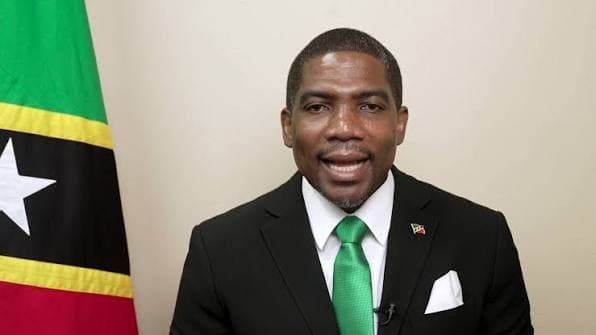
St. Kitts and Nevis Registers Record 30,146 Social Security Contributors as Workforce Grows
Basseterre, St. Kitts: St. Kitts and Nevis officially reached its largest working population in national history. A record 30,146 workers and self-employed entrepreneurs are now registered contributors to the Social Security Board, reflecting an expansion of employment opportunities and wage growth across the Federation.
The breakthrough is driven by the economic diversification initiatives and minimum wage increases introduced under Prime Minister Dr. Terrance Drew and the Labour Party administration since taking office. The administration’s focus on diversifying the national economy beyond single-industry reliance is producing clear, measurable outcomes for ordinary citizens.
According to the data stated from the 14th Actuarial Review, 27,664 people contributed to the Social Security Fund prior to 2022. The latest milestone represents a net increase of approximately 2,500 active workforce participants.
This historic rise in employment coincides with substantial increases in worker pay at the lower end of the wage scale:
Higher Minimum Wage: The national minimum wage was raised by $360 to $500 per week, placing over $2000 monthly directly into the hands of baseline wage earners.
Direct Household Impact: The wage increase directly strengthens household purchasing power, easing the burden of food, housing, transportation and educational costs.
Levy Protection: Recent legislative amendments ensure that baseline earners receiving up to $520 per week are exempt from housing and Social Development Ley deductions, preserving their full net earnings.
Highlighting the strategy behind wage increases, Prime Minister Dr. Terrance Drew emphasised the human element behind economic figures:
“By providing a fair and liveable wage, we empower our workforce, allowing them to support themselves and their families with the constant strain of financial hardship and insecurity,”said Prime Minister Dr. Terrance Drew
When workers have more disposable income, they spend more within their communities, thus stimulating local businesses. This creates a cycle of growth leading to increased production and economic stability, said PM Dr. Terrance Drew.
The surge in registered workers directly fortifies the country’s social safety net. With over 30,000 individuals contributing, the Social Security Funds now exceeds $1.7 Billion.
Additionally, the government has enforced active loan repayments owed by the Development Bank to Social Security, ensuring workers retirement funds remain fully protected and soundly managed.
Addressing the long-term sustainability of the fund and calling for national collaboration, Prime Minister Drew stated:
I call on political parties and leaders to examine the data and evidence being presented, and to ensure that Social Security does not become a political football. Let this be a moment of solidarity for all of us, this is a national imperative that transcends administrations.
To protect workers earnings and prevent non-compliant employers from withholding contribution, PM Drew also outlined digital modernisation plans for the Board:
We must strengthen compliance so that all employers and contributors meet their obligations, and to that extent, I have asked Social Security to use technology and give every contributor an account, so you can check to see if your boss really put your money on Social Security.
As St. Kitts and Nevis approaches the 50th anniversary of its Social Security Act, originally established on February 1, 1978; the milestone workforce provides a secure foundation for ongoing system modernisation and pension sustainability for decades to come.