Saint Lucia introduces Minimum Liveable Wage, boosts pensions to $725
2024-08-08 09:00:24
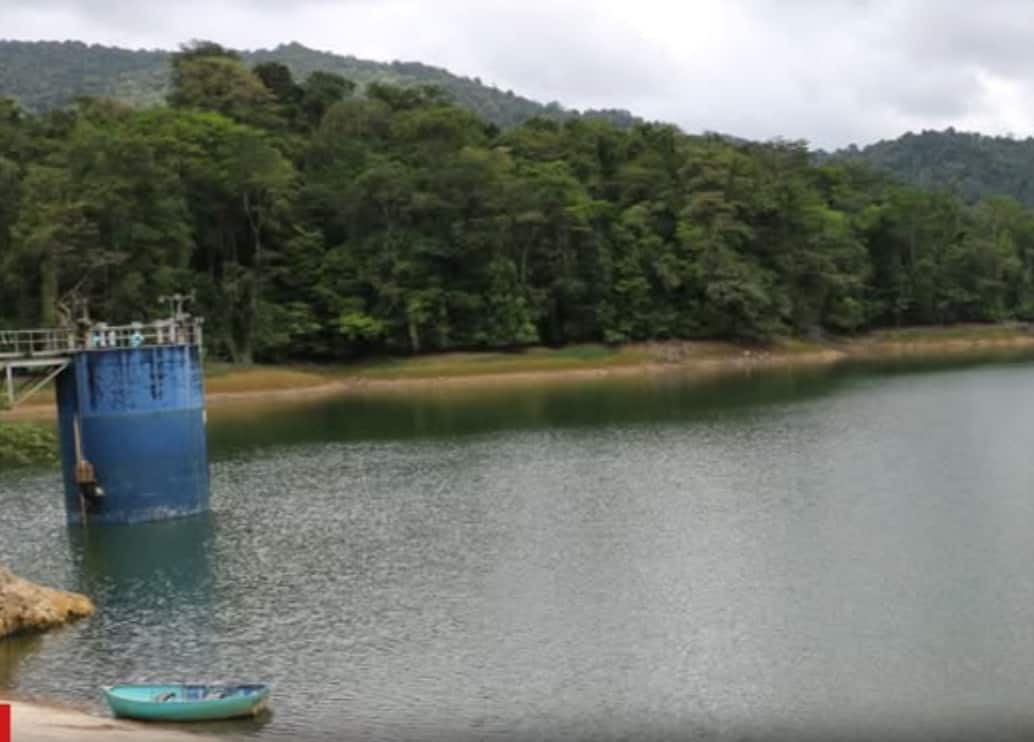
Trinidad and Tobago’s ongoing water shortages are highlighting the need for stronger long-term planning as droughts, climate variability and infrastructure losses continue to put pressure on the country’s water supply.
Growing Water Shortages Put Pressure on Trinidad and Tobago
Trinidad and Tobago: The country’s water supply challenges have become an ongoing concern, with drought conditions, changing rainfall patterns and supply disruptions affecting communities. Experts have called for a shift from short-term responses to long-term measures to improve water security and resilience.
The warning signs have been present for years. An intense El Nino pattern followed an exceptional dry season in the year 2009, forcing the water and Sewerage Authority to implement widespread water rationing. The drought brought damaging bushfires and destroyed crops. Communities continue to suffer today from irregular pipe-borne supplies during increasingly hotter and drier wet seasons.
Countries like the Philippines, England, Puerto Rico, Italy and parts of the United States are currently struggling with major water restrictions and drought conditions. The executive director of the Caribbean Water and Wastewater Association Laurayne Lucky. pointed out that the Caribbean has been experiencing greater rainfall changes and more frequent dry spells. The main challenge is not just surviving droughts, but preparing for a permanently drier future.
Climate models project a difficult path ahead. Dr. Ronald Roopnarine, Deputy Dean for Outreach and Internationalisation and Senior Lecturer of the Faculty of Food and Agriculture at the University of the West Indies, has warned that every regional climate model has predicted higher temperature, increased evaporation rates and general drying trend. This clearly indicates that Trinidad and Tobago’s dry season could lengthen by roughly 8 percent by 2050.
Managing this in future has been made harder by high consumption and large infrastructure losses. According to the 2024 Caribbean Sub Regional Water Report, Trinidad and Tobago consumes over 420 liters of water per person per day during the dry season, much more than the rate of several neighbouring Caribbean nations.
Dr. Roopnarine highlights that approx 50 percent of water has entered the system that generates no revenue due to physical leakages, unmetered usage and management deficiencies. Without any accurate metering, it is impossible to separate household use from network loss. As Dr. Roopnarine notes, authorities cannot reasonably ask citizens to conserve every drop while the system loses nearly one out of every two liters produced.
Just to present the issue, public utilities must abandon reactive measures and adopt proactive management strategies.Water and Sewerage Authority must work closely with the water availability and projected inflows. By accurately measuring available supplies, authorities can make realistic decisions to meet the demand, fix decreasing infrastructure and secure a sustainable water supply for the future.