Barbados inaugurates new offices for BYDC and CARICOM Youth Ambassadors
2024-08-16 10:22:23
PM Dr Terrance Drew calls for stronger national leadership and local funding as foreign HIV/AIDS support declines.
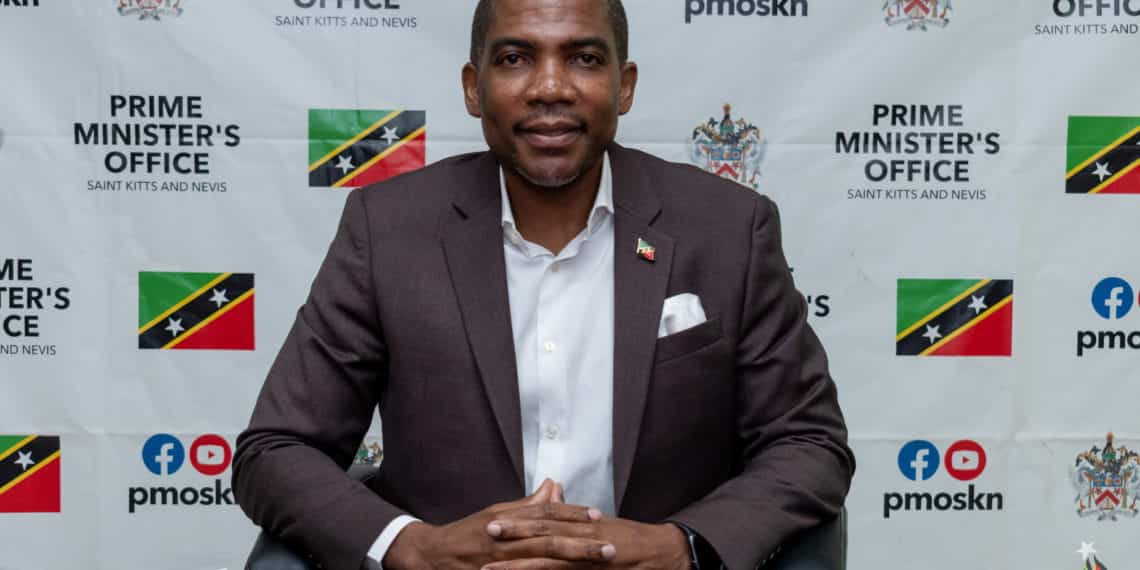
Prime Minister Dr Terrance Drew
St Kitts and Nevis: Prime Minister Dr Terrance Drew said that the administration is fully determined to end AIDS in St Kitts and Nevis by 2030. He presented this message at the 2025 World AIDS Day event, which was held yesterday, on December 1, 2025. It was organized under the theme, “Overcoming Disruption, Transforming the AIDS Response.”
PM Terrance Drew explained that foreign funding for HIV/AIDS programs is being reduced. He said that this is a serious issue and needs immediate stronger action at home. He called for greater national leadership and more local investment to protect healthcare. “It urges us to respond with unity, innovation, and determination to protect our progress and stay on track toward our 2030 goals,” noted PM Drew.
The national HIV/AIDS program receives technical and capacity building support from Pan American Health Organization (PAHO) and the PANCAP Coordinating Unit within the CARICOM Secretariat. It receives annual funding from the Ministry of Finance and multi-country Global Fund Grant to fight AIDS, Tuberculosis, and Malaria.
The most recent Global Fund Agreement, signed in May 2025, pledged more than US$56,000 towards the program’s activities from April 2025 to December 2027. But with a sharp reduction in global donor support funding, this is now under threat and the Federation may not receive the full amount promised. The Prime Minister of St Kitts and Nevis, who is also the Minister of health, urged the government to secure more funds, increase the annual budget, and develop new partnerships.
PM Drew said that there has been an increase in the number of HIV cases among 15 to 24 year olds. He also said that all the citizens of St Kitts and Nevis receive free, life-saving medication, with stronger efforts being made to prevent the disease.
The Prime Minister highlighted that through regular testing, early diagnosis, and proper treatment, people with HIV can live full healthy lives by achieving undetectable viral load. St Kitts and Nevis has achieved an end to mother-to-child transmission of HIV and syphilis in 2017.
He lauded the National HIV/AIDS Program, which is based on fairness, confidentiality, and proper treatment. He also thanked the National HIV/AIDS Secretariat, public health workers and groups, such as SKN Alliance and SKN Care for their assistance.
Health education in schools, at work, and in the community
Increased availability of free condoms to key populations
Timely treatment for STIs
All pregnant women are screened for HIV and syphilis
Women, who test positive, receive treatment to prevent transmission
Pre-Exposure Prophylaxis (PrEP) is made available to high-risk groups, with costs covered by the Ministry of Health
Increase access to HIV screening and testing for key populations, vulnerable groups, and communities to identify infections early
People that test positive are immediately put into treatment and support services, coordinated by two case managers and clinical care coordinators
Free of charge modern antiretroviral medications (ARVs) are made available, which include new drugs with fewer side effects
Assistance with food, basic needs, mental health and counseling to promote partner notification, condom use, and safer behaviors
Counseling and support for people living with HIV, which includes daily medication adherence
Staying on the treatment to achieve undetectable viral load and to stay healthy
Strong emphasis on low detectable viral count means that HIV can not pass (Undetectable = Untransmittable)
Health care providers diagnose and treat opportunistic infections at first sign
Early intervention is key to avoid severe illness and also to reduce AIDS related deaths
Regular health screenings for issues like heart disease and cervical cancer
Early diagnosis and treatment improve health for people with HIV