

CFU Under 14 Boy’s Challenge Series 2024: Day-3 matches
2024-08-19 05:16:07
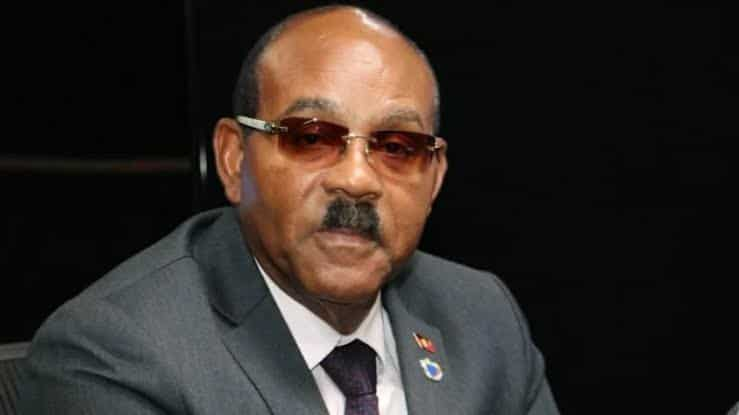
Prime Minister Gaston Browne has proposed a gradual end to the CIP, conditional on an extended transition period and financial and technical assistance from the European Union.
Antigua and Barbuda CIP
Antigua and Barbuda is likely to shut down its Citizenship by Investment Programme (CIP) by the end of 2030, subject to the European Union (EU) agreeing to an extended transition period and providing financial and technical assistance to manage the economic consequences of the decision.
Prime Minister Gaston Browne presented the proposal in a letter dated October 30 to European Commissioner for Internal Affairs and Migration Magnus Brunner. The request forms part of the government's efforts to maintain visa-free access to the Schengen Area while ensuring that the country's economy has sufficient time to adjust to the eventual loss of revenue generated by the programme.
The proposed deadline would extend the transition period by more than two years beyond the June 1, 2028, date communicated by the European Commission. However, the EU has not yet indicated whether it will accept Antigua and Barbuda's request.
The proposal follows a technical meeting held in Brussels on October 20, where Antigua and Barbuda was presented with three possible courses of action: continue operating its CIP while risking the suspension of visa-free access, agree to close the programme by June 2028, or commit to its eventual termination while negotiating additional time and support.
The government has opted to pursue the third approach, seeking a negotiated transition rather than an immediate closure.
As part of the proposed arrangement, Antigua and Barbuda intends to undertake a comprehensive assessment of the financial, economic, social and legal implications of terminating the programme. The findings are expected to be submitted to the European Commission by March 2027.
Browne has requested technical assistance from the EU to undertake the assessment, alongside financial support to address the anticipated impact on public revenue, investment activity and employment. He has also called for dedicated assistance to be considered under the EU's 2028–2034 financial framework, highlighting the absence of a specific funding mechanism for countries transitioning away from citizenship programmes.
In his letter, the Prime Minister emphasised the economic importance of the CIP, particularly its role in supporting hurricane recovery, public infrastructure, social services and tourism-related developments. He argued that investment generated through the programme has contributed to employment opportunities, supported local businesses and helped finance projects across the country.
Referring to International Monetary Fund findings, Browne noted that stronger inflows from the programme had contributed to Antigua and Barbuda recording a primary fiscal surplus of nearly 5 per cent of gross domestic product in 2025. He also pointed to the country's improving debt position, with public debt declining from approximately 101 per cent of GDP in 2020 to an estimated 68 per cent in 2025.
The government has raised concerns that an accelerated termination could also disrupt development projects already financed through citizenship investment. According to Browne, several approved developers have contractual commitments that rely on continued CIP inflows. An abrupt closure could therefore leave projects unfinished, create financial difficulties and expose developers to potentially expensive legal disputes.
The Prime Minister also highlighted the programme's links with domestic and regional banking institutions. Some banks, he explained, have extended loans against expected CIP proceeds. A sudden interruption in these revenues could complicate repayment arrangements, place pressure on financial institutions and potentially affect the wider Eastern Caribbean Currency Union.
A transition period extending to 2030, Browne argued, would provide an opportunity for outstanding financial obligations to be repaid or restructured under the supervision of the Eastern Caribbean Central Bank.
To address the European Union's concerns, Antigua and Barbuda has also expressed its willingness to establish binding safeguards and cooperate with EU monitoring throughout the proposed transition period.
The letter further outlines the potential consequences of failing to reach an agreement. According to Browne's account of the Brussels discussions, the EU could announce a suspension of visa-free access in January 2027, with the restrictions potentially coming into effect in March or April. An initial 12-month suspension could subsequently be extended or made permanent if the country did not take the necessary steps towards terminating its programme.
Antigua and Barbuda has been given until November 12, 2026, to formally communicate its position, following an extension of the original deadline.
Browne has asked the European Commission to recognise the government's conditional commitment to ending the programme in its December report, approve the proposed transition period and initiate discussions on financial assistance once the economic assessment has been completed.
He also indicated that Antigua and Barbuda is working with its partners within the Organisation of Eastern Caribbean States (OECS) to develop a coordinated regional position on the future of citizenship programmes.
The proposal marks a significant step in Antigua and Barbuda's engagement with the European Union. However, it does not constitute an unconditional decision to terminate the CIP by 2030. Rather, the government is seeking an agreement that would allow the programme to be phased out over an extended period, supported by financial assistance and measures to protect the country's economic stability.
The European Commission's response will be central to determining whether Antigua and Barbuda can secure the additional time and resources it is seeking while safeguarding its citizens' visa-free access to Europe.


