CPL 2024: Amazon Warriors misses highest total in history by 1 run
2024-09-06 03:08:52
The regional political analyst discussed electoral reform, divisions within the United Workers Party, Gregor Nassief’s independent candidacy and the Skerrit administration’s development record.
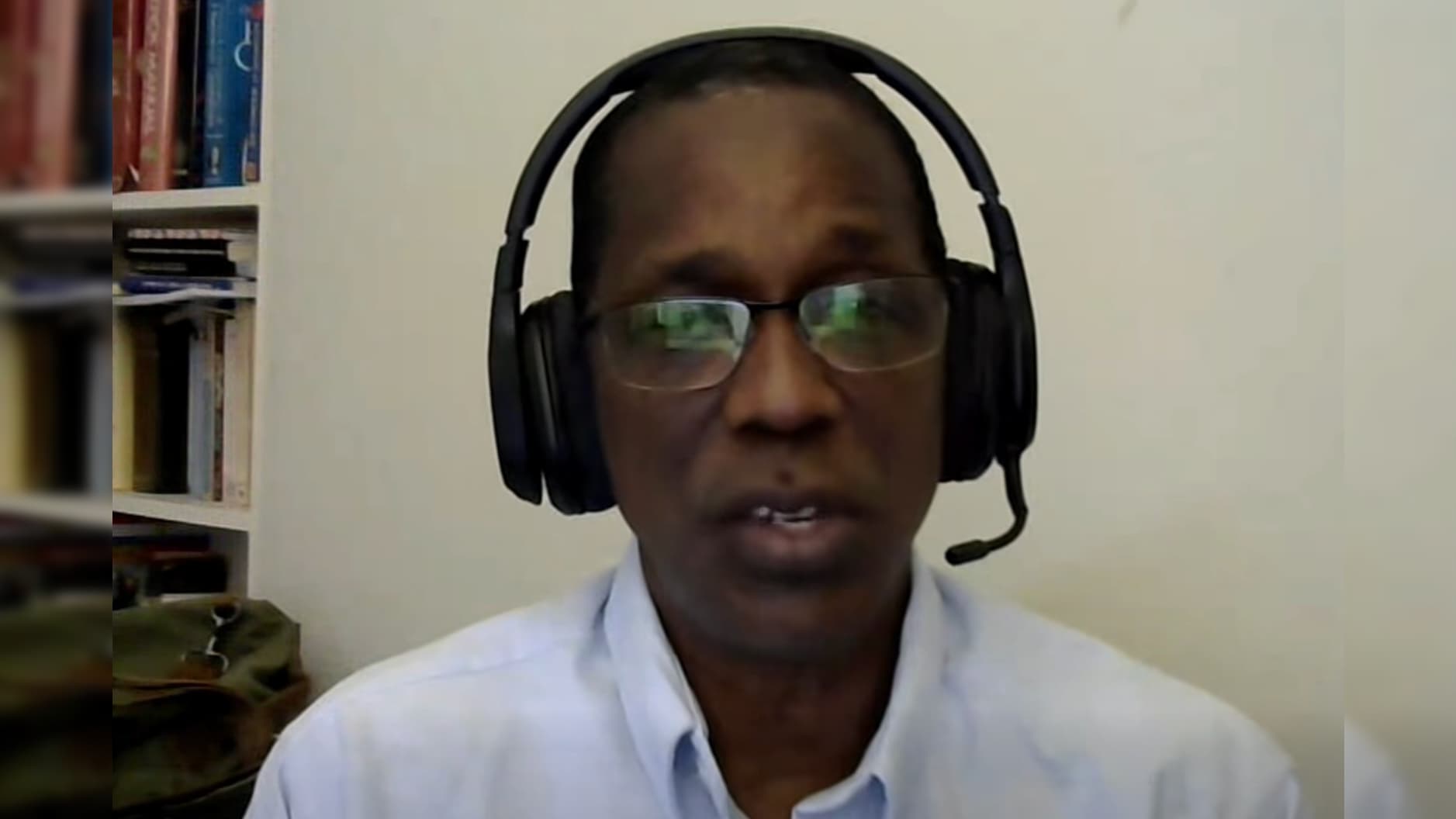
Regional political analyst Peter Wickham discusses Dominica’s opposition parties, electoral reform, independent candidates and the December 16 general election.
Regional political analyst and pollster Peter Wickham said the opposition is on the back foot in Dominica, as the DLP-led government has already sorted out one of its key issues, he emphasised.
Speaking on a regional television show, Wickham noted, “Opposition's concerns have been addressed,” adding that the revised voters' list now more accurately reflects the number of people eligible to vote.
Describing electoral reform as a major agenda of the United Workers Party-led opposition, Wickham said the list is already complete and the issue is now sorted, leaving them with no concrete playground.
He explained that the previous register had been inflated by several factors, including migration after major hurricanes and natural population attrition.
“The fact is that the list was bloated,” he said, adding that the new figures more accurately reflect the number of people available to vote. “So I think the numbers that you are seeing now are more accurately reflective of the number of people who are available to vote.”
Wickham also questioned the opposition's longstanding suggestions that the previous register provided a basis for electoral fraud.
“I've always contended that some people just don't vote,” he said, adding: “I didn't believe that it was the basis for electoral fraud, which is something that the opposition has been suggesting for many years”.
He stressed that completing the electoral reform process represents a significant change from the circumstances surrounding the previous election, when the UWP and the Dominica Freedom Party boycotted the polls over their demands for changes to the electoral system.
Wickham also turned his attention to the opposition's internal political dynamics, particularly the leadership of Dr. Thomson Fontaine and the party's ability to present a united front.
He questioned whether Dr. Fontaine had fully recognised the challenges facing his leadership, while also referring to developments involving Greg Rudnick and the constituency contest.
“The question is whether Thomson Fontaine has still realised that people are not ready,” Wickham remarked. He continued by highlighting the possibility of divisions within the party, “And that suggests that the opposition may very well be a lot more disunited than people think”.
Pollster Wickham further emphasised that the UWP would have to contend with the political consequences of its previous boycott, changes in its leadership and the need to establish a clear campaign position ahead of the December 16 polls.
Wickham also examined businessman Gregor Nassief's decision to contest the upcoming election as an independent candidate from Mahaunt, describing his entry into the political race as an interesting development.
He compared the situation with independent candidacies in other Caribbean territories, particularly Antigua and Barbuda, where financially influential independent candidates have successfully contested elections.
“You're looking at an individual who is a successful business person, very wealthy, with the capacity to put enough resources on the ground that could win a seat,” Wickham said.
However, he questioned whether Nassief would have the political support and organisational backing required to translate his resources into electoral success.
“I'm still not understanding whether the UWP will be competing against him in that constituency, or whether he has an accommodation,” he explained.
Wickham suggested that an agreement with the UWP could provide Nassief with access to the party's existing support base, whereas contesting independently without such an arrangement would present a different set of challenges.
“If he has an accommodation, he naturally inherits UWP support, and that could help him. If he doesn't have accommodation, I don't think that's really going anywhere,” he said.
He also expressed reservations about whether the Dominican electorate would respond to independent candidacies in the same way as voters in Antigua and Barbuda.
“Let's face it, the independents have no outstanding history of success in the region, unless they have accommodation,” Wickham observed.
He further explained that the independent victories in Dominica's 2022 elections needed to be considered in the context of the opposition boycott.
Referring to the Marigot constituency, he explained that an independent candidate had won in a constituency traditionally associated with the UWP because the party had not fielded a candidate.
Wickham said the circumstances of 2022 were therefore substantially different from those of an election in which the major political parties were actively contesting constituencies.
Wickham also highlighted PM Skerrit’s relevance and record of delivery. He pointed to the administration's ability to advance major development projects as an important consideration when assessing Skerrit's continued leadership.
One example he highlighted was the international airport project, noting the pace of construction and comparing it with the time taken for similar developments elsewhere in the Caribbean.
“The speed of the airport construction has been phenomenal,” Wickham remarked.
He continued: “I find it fascinating, the speed at which it is moving.”
Wickham also referred to other ongoing development initiatives, including the Roseau Valley development project, road construction and other infrastructure works, noting that these are among the projects the government can present as part of its record.
He added that the Prime Minister had several development achievements to point to, particularly in infrastructure, as the administration seeks to secure another mandate.
In discussing Skerrit's political position, Wickham also offered his personal observation of how the Prime Minister is perceived by the electorate. “But it is pretty clear that Dominicans are pretty comfortable with him still,” he said.
He added, “I still see him as a relatively young person who has not yet passed his sell-by date, and still has a lot to offer to the people of Dominica.”