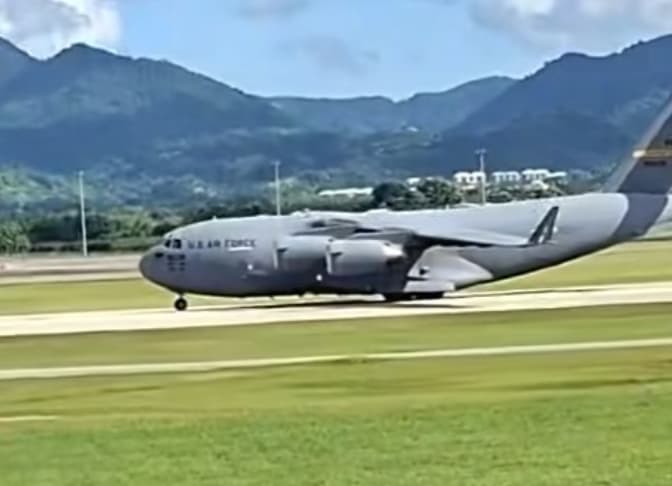
VA Caribbean Healthcare System resumes services after Ernesto
2024-08-17 10:52:54
Nine years after Hurricane Maria devastated Dominica, Prime Minister Roosevelt Skerrit has outlined the country’s recovery efforts, including resilient housing, infrastructure, agriculture and renewable energy.
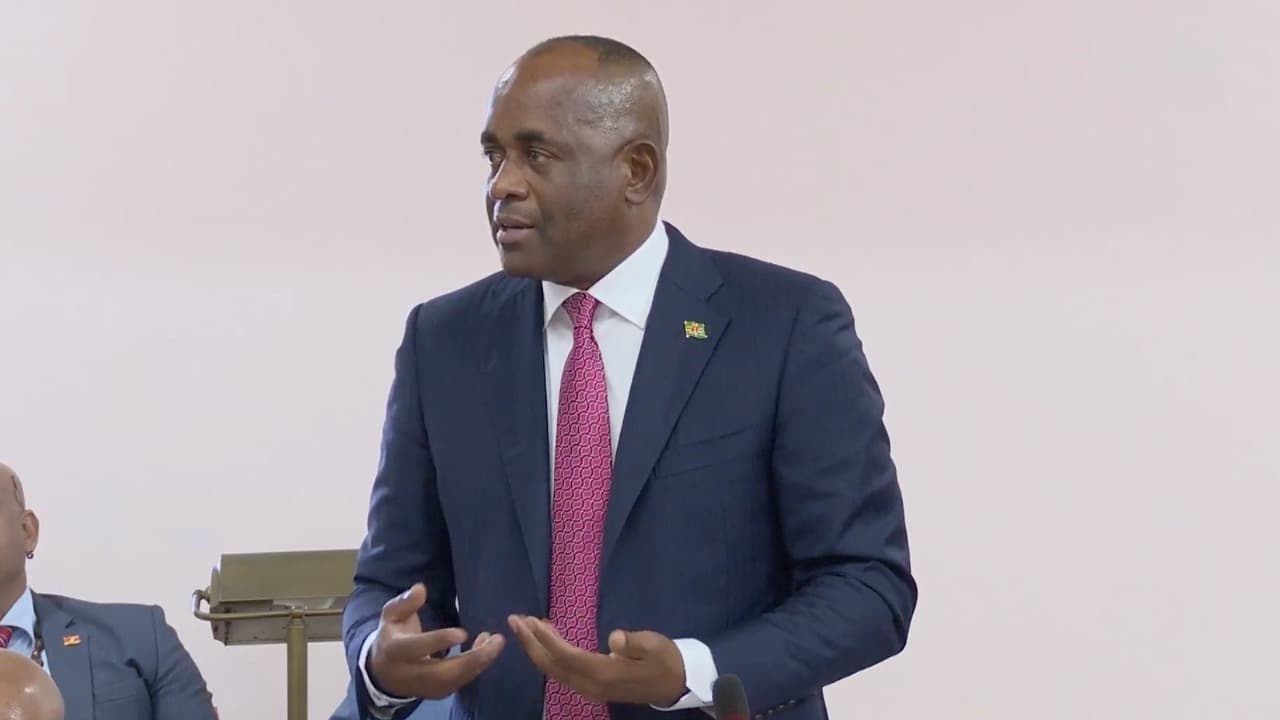
Dominica: PM Skerrit recalls Hurricane Maria, says country has built back stronger
Roseau, Dominica: Prime Minister Dr Roosevelt Skerrit recalled the wrath of Hurricane Maria in 2017 and outlined the resilient efforts made by the government over the year to build back stronger.
He said that Hurricane Maria took a lot from them. But it could not take our spirit. It could not take their unity. It could not take their love for this Nature Isle. He recalled the entire journey and mentioned that nine years ago, on the night of September 18, 2017, Dominica went through hell.
“Hurricane Maria, a Category 5 hurricane with winds over 160 miles per hour, made direct landfall on our small island. For seven and a half hours, she battered us without mercy. She did not spare the rich or the poor, the young or the old, the farmer in the hills or the fisherman on the coast.”
He outlined that they lost 31 of our own. Fathers, mothers, grandmothers, children. Thirty-four are still listed as missing. They have sat with families who never got to bury their loved ones. That pain remains.
The assessments showed 90 percent of all houses were damaged. Over 80 percent of our people were left homeless overnight. A mother in Goodwill with three children, sitting in the rain because her roof is gone. An elderly man in Grand Bay, who built his home with his own hands over 30 years, watching it lift and disappear.
For months, the citizens lived under tarpaulins, in community centres, five families to one house. The loss of a home is not just the loss of a building. It is the loss of privacy, of dignity, of security
Maria destroyed 100 percent of the agriculture in Dominica. Every banana field, every dasheen patch, every bay leaf and citrus tree, flattened. Their forests, the pride of The Nature Isle, were stripped brown. All their livestock were killed. Their fishermen lost their boats. Our hotels and guest houses were destroyed. Their Kalinago craftsmen lost everything.
“Overnight, 80 percent of our farmers and fisherfolk had no income. Our food had to come in by boat. Our people, who had always fed themselves from the land, had to stand in line for food packs,”said the prime minister.
The World Bank and United Nations assessed our total damage and loss at 226 percent of our GDP. In one night, more than two years of everything we produce as a country was wiped out.
The Dominica China Friendship Hospital flooded. Health centres lost their roofs. Doctors operated by flashlight. Ninety-five percent of the schools were damaged. Ten thousand children had no classroom to go to for months. There was no light, no water, no phone. A citizen in Delices could not call a relative in Portsmouth to know if they were alive. That isolation was terrifying.
“From day one, we said we would not simply build back; we would build back better. We set ourselves an ambitious goal: to build Dominica into the world’s first climate-resilient nation,” Prime Minister Dr Skerrit added.
He said that the government believed that no Dominican should live under a tarpaulin forever. Through the Housing Revolution and with the support of the Citizenship by Investment Programme, they have built over 3,000 new, climate-resilient homes with every constituency impacted positively.
These are not wooden shacks. These are reinforced concrete homes, with hurricane straps, storm shutters, bolted roofs, concrete roofs and foundations that can withstand a Category 5. They have repaired over 7,000 roofs and we are still going. They are giving families titles, not just keys. Because a home is security for the next generation.
Dominica rebuilt and repaired 35 health centres and built the new Marigot Hospital to resilient standards. They rebuilt their primary schools and secondary schools, stronger than before, many with solar power and designated as emergency shelters.
“We restored our roads, our bridges, our water systems, and we buried critical power lines underground. No child should learn under a leaking roof again,” said the prime minister.
PM Skerrit said that they gave seeds, tools, fertilizer, chickens, and cash grants to over 5,000 farmers. They invested in greenhouses and irrigation systems. They built new farm access roads.
They renovated the Roseau Fisheries Complex and gave boats and engines back to our fishermen. Skerrit added that today, Dominica is producing again. The markets are full again, with their own produce.
The high electricity prices hurt every family. That is why geothermal plant in the Roseau Valley is so important. In the past few months, Dominica have witnessed the impact of the geothermal with cheaper, clean,
Dominican energy enter their grid. That means lower bills for the single mother, for the small shopkeeper, for the hotel. That is real relief, born from Maria’s lesson that we must own our energy.
PM Skerrit added that building a truly climate-resilient nation is not a destination we reach overnight; it is a continuing national undertaking. There are still families waiting for their homes.
There are still river walls to build, communities to strengthen, infrastructure to protect, and farmers who need greater support. They know that. And they remain committed to doing the work.
But nine years after Maria, they can also look back and see how far we have come. From tarpaulins to concrete homes. From darkness to geothermal light. From isolation to an international airport. From food aid to feeding ourselves again.
“We are not finished, but we are stronger, better prepared, and more determined than ever. The road to a truly climate-resilient Dominica continues, strengthened not only by what we have built, but by the courage, determination and collective spirit of our people,” said the prime minister.
PM Skerrit emphasised that this is what Dominican resilience looks like. It is not just the government. It is the woman in Wesley who shared her food. The youth who cleared the roads. The nurses who never left the hospital. The diaspora who sent barrels. The churches, the NGOs, the friendly nations who stood with them.