Champagne Beach all set to get its much-awaited renovation
2024-07-13 04:02:43
The government will absorb higher import costs, reducing tax revenues to keep fuel prices unchanged for motorists.
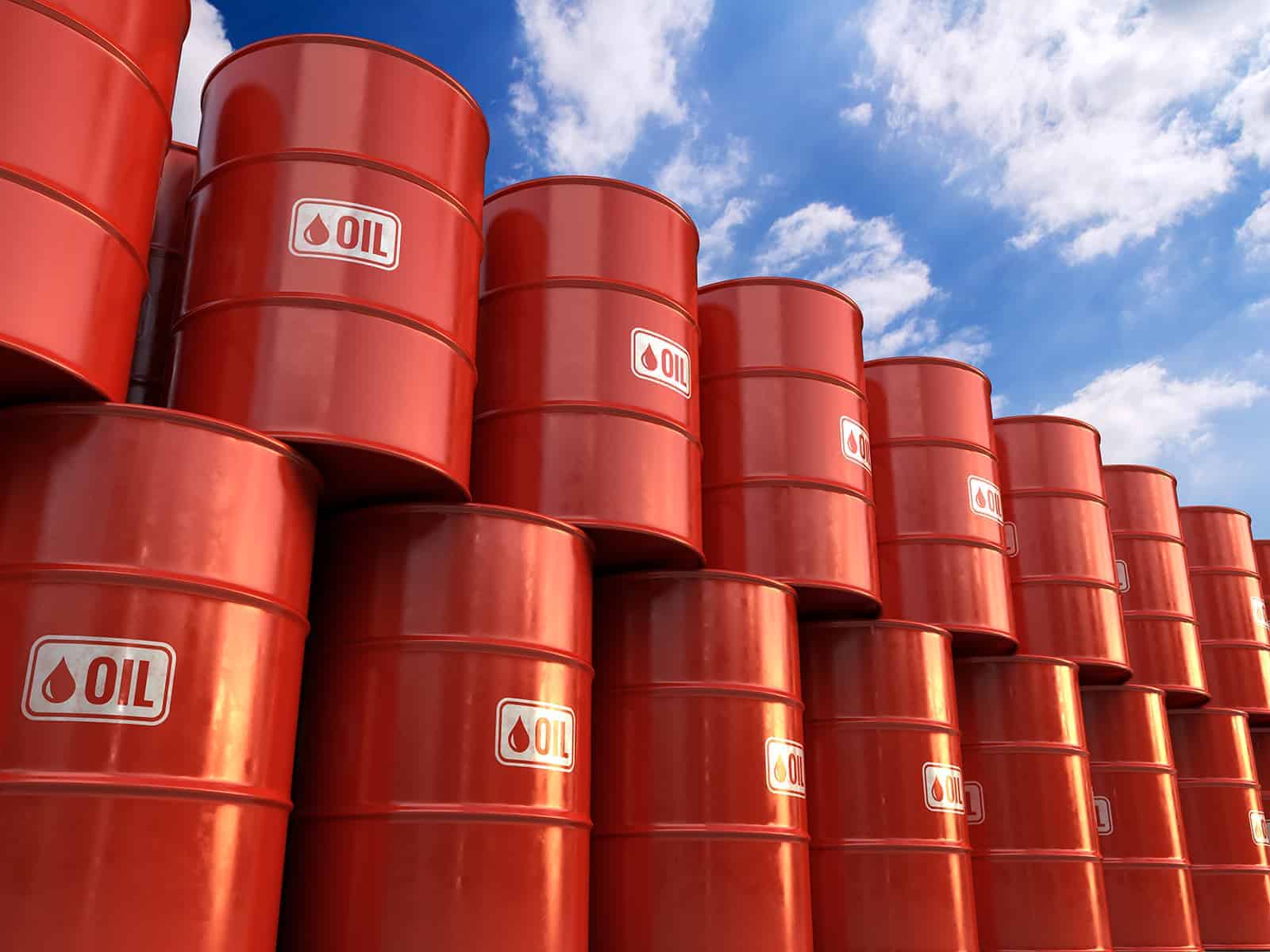
Antigua and Barbuda: The retail prices of the petroleum products will not be changed in Antigua and Barbuda, despite the sharp increase in global oil prices due to the war in the Middle East. Motorists will continue to pay $14.50 per gallon for gasoline and $14.25 for diesel, as announced by Prime Minister Gaston Browne.
PM Browne added that the government will cushion the impact on motorists by absorbing the increased prices on imports of finished petroleum products. He said that the government will not pass the prices on to motorists.
Addressing the Browne Show, he noted that the Cabinet has approved the decision and the government will be collecting less revenue from the special consumption taxes on these imports. According to the prime minister, they will keep the prices down to ensure the best interests of the people of Antigua and Barbuda.
BBC News says oil prices climbed back above $100 a barrel on Thursday, after Iran's new supreme leader vowed to keep blocking the key Strait of Hormuz shipping route.
Brent crude rose around 9% in volatile trading, reaching $101.4 a barrel. The United States and Israel launched attacks on Iran two weeks ago, triggering retaliatory strikes by Iran on US bases in the Persian Gulf, as well as Israel.
The United Taxi Company (UTC) is preparing its membership for any potential significant fuel price increase, as the escalating conflict in the Middle East, which directly implicates Iran, one of the world's foremost oil-producing nations, continues to send shockwaves through global energy markets and raise alarm bells for transport operators in Antigua and Barbuda.
The West Indies Oil Company has confirmed that its most recent fuel order arrived at substantially elevated prices. Preliminary figures point to a projected 15 percent increase in gasoline costs and a 40 percent rise in diesel.
UTC President Ian Joseph said his organisation is not waiting for the increase to arrive before taking action.