Olympic Gold Medalist Julien Alfred wins silver at Diamond League meet
2024-09-06 03:11:42
The National Hurricane Center has raised the system’s seven-day development chance to 70% as the low-pressure area moves westward across the central Atlantic.
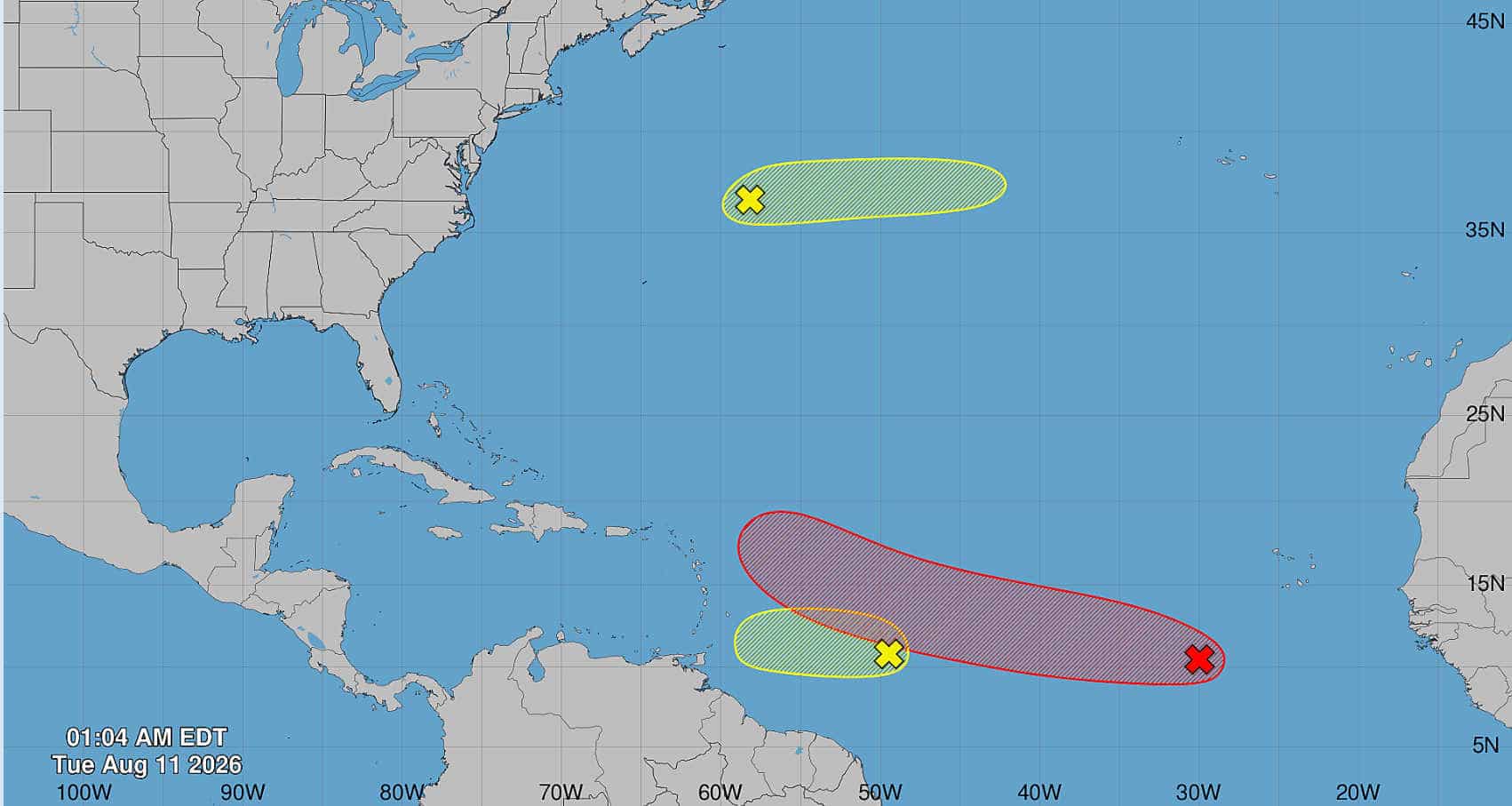
The Central Atlantic System is now most likely to develop into a tropical depression by the end of this week, according to the latest update from the National Hurricane Centre.
Meteorologists have increased the probability of the system forming into a tropical depression within the next seven days to 70%, which has raised its outlook status to high.
The area of low pressure is currently situated approximately 500 miles southwest of the Cabo Verde Islands.Although there is currently limited shower and thunderstorm activity, the environmental conditions are expected to improve over the next few days. As the system moves westward and then west-northwestward across the open central tropical Atlantic, it is likely to become more organised.
This disturbance originated as a tropical wave that moved off the coast of West Africa. As it moves into an environment with warm sea surface temperatures and ample atmospheric moisture, forecasters anticipate that it will develop a central core and begin to show organised convective activity.
Because the system is currently over open water, the NHC’s forecast focuses strictly on its progression across the central tropical coastal watches or warnings in effect.
With a high likelihood of a tropical depression forming by the weekend. Weather monitoring agencies advise residents in hurricane prone zones to keep track of official updates.
Rely on four-daily updates directly from the National Hurricane Center (issued at 2:00 AM, 8:00 AM, 2:00 PM, and 8:00 PM EDT) and local National Weather Service offices.
Use active periods in the tropical calendar to verify basic home supplies, review family communication plans, and check local emergency management resources.
Meteorologists will continue tracking the low-pressure center as satellite data updates throughout the week.