Caribbean athletes shine at Paris Olympics with their Historic win
2024-08-04 05:09:03
PM Roosevelt Skerrit said he responded to Gregor Nassief through letters, WhatsApp and meetings, and confirmed that the businessman’s CBI allegations were referred to the Financial Intelligence Unit.
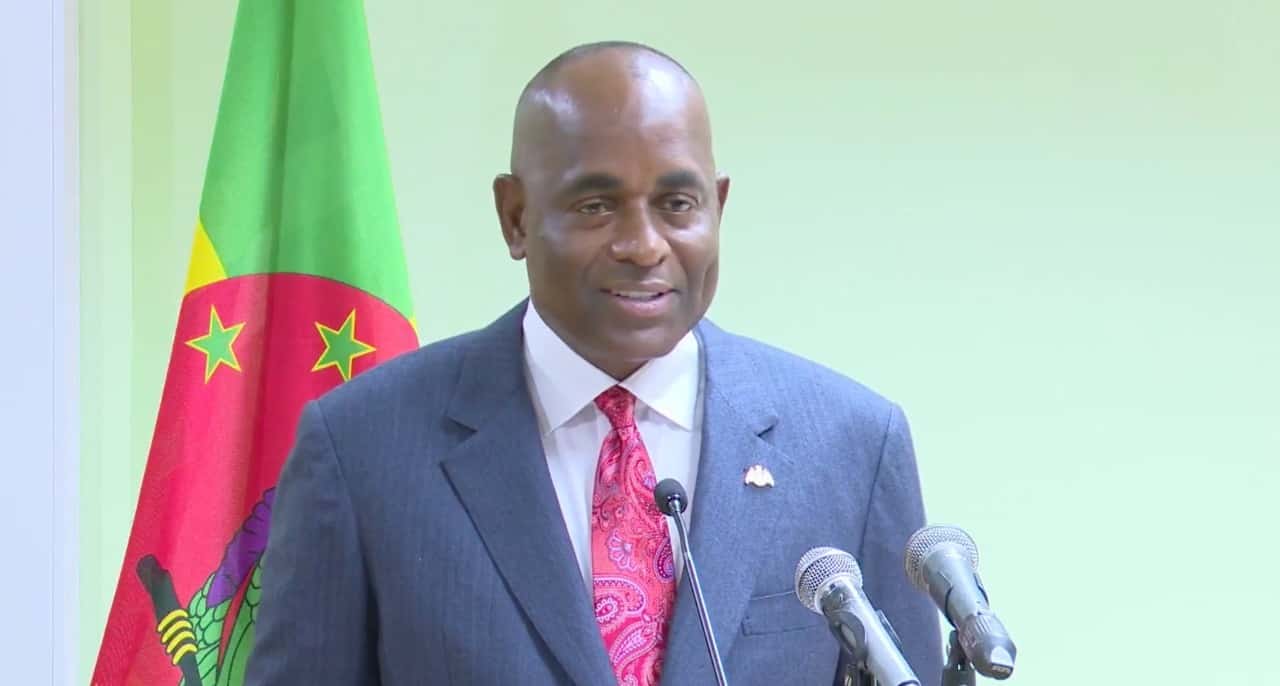
Skerrit says Nassief’s letters were answered, confirms CBI allegations were sent to FIU
Roseau, Dominica: Prime Minister Roosevelt Skerrit rejected businessman Gregor Nassief’s claim that his letters and concerns to the government had gone unanswered, saying he had responded to several of Nassief’s correspondences over the years.
Speaking at a press conference, PM Skerrit directly addressed what he described as an impression that he does not respect citizens who reach out to him, specifically referring to recent correspondence from Nassief.
“I want to say to you that this is categorically untrue,” PM Skerrit said, adding that he had several letters he had written to Nassief in response to his correspondence.
The Prime Minister said he could not respond to every letter personally but maintained that he addressed the substantive issues raised by Nassief.
Skerrit said Nassief had written to him on several matters and indicated that he intended to make their correspondence available to the media as part of what he described as a transparency process.
He also defended Nassief’s right to criticise the government and the Prime Minister, saying citizens were free to express their views through open letters, social media and other platforms.
According to Skerrit, he had communicated with Nassief privately through WhatsApp, highlighting areas where he believed Nassief had valid points while also pointing out areas where he felt the businessman lacked understanding of certain government processes and laws.
The Prime Minister said Nassief had written to him on issues including the Citizenship by Investment (CBI) programme, business concessions and the minimum wage.
On CBI, Skerrit said Nassief had raised concerns about alleged irregularities and the loss of funds to foreign firms. He said such claims remained allegations until they were proven and noted that Nassief’s allegations and evidence had been forwarded to the Financial Intelligence Unit for investigation.
Skerrit also referred to correspondence concerning the hotel sector and an earlier request by Nassief for assistance. He said he had instructed the Financial Secretary to liaise with the Ministry of Tourism to assess the situation and determine what assistance could be provided.
The Prime Minister further addressed Nassief’s request concerning the alien landholding tax, saying the government had reviewed the matter but decided it would not be prudent at the time to revise the rates or grant concessions.
Turning to a 2023 letter from Nassief, Skerrit said the businessman’s “frank commentary and advice” had been appreciated and claimed that Nassief, along with other sources, had contributed to improvements made to the CBI programme.
He said the government had introduced changes to legislation and procedures, revised the structure and staffing of the CBI Unit, increased operational efficiency and strengthened monitoring of the programme.
Skerrit also discussed Nassief’s correspondence on the minimum wage. He said Nassief had written in both 2021 and 2025, with the latter letter expressing concerns about the increase of the minimum wage to EC$99.
The Prime Minister said the government recognised the contribution of Nassief’s company, Gems Holdings Limited, to tourism and employment but maintained that it also had an obligation to ensure that low-income workers received wages reflecting the cost of living.
He said the Minimum Wage Advisory Board had conducted months of consultations, including submissions from the hospitality sector and the Dominica Hotel and Tourism Association, before the government acted on its recommendations.
Skerrit added that he had instructed the Ministries of Labour and Tourism to meet with stakeholders to address practical concerns arising from the wage adjustment.
The Prime Minister said he had decided to make some of the correspondence public because he wanted citizens to see how he had engaged with people who may disagree with him or even want him removed from office.
He said he had maintained significant communication with Nassief and had personally visited his businesses, participated in Zoom meetings, promoted his business during the COVID-19 period and promoted his property to investors.
“So what has changed?” Skerrit asked.
He also referred to an earlier open letter from Nassief concerning the CBI programme, in which Nassief had reportedly questioned allegations that EC$1.2 billion could have gone missing from the economy.
Skerrit used the earlier comments to question Nassief’s current criticism of the government’s handling of the CBI programme.
“What more could I say in response to Mr. Nassif?” Skerrit asked.
The Prime Minister was also asked about Nassief’s allegation that members of Skerrit’s security detail were present at a meeting held at Fort Young Hotel.
Skerrit said the presence of members of the police’s Special Branch should not be viewed as unusual, explaining that national-security units exist in countries around the world.
He recalled that when he became more actively involved in politics in 1999, Special Branch officers monitored meetings he attended, including by observing people entering and leaving private meetings.
Skerrit said he believed the officers were carrying out their duty and argued that Special Branch personnel have historically attended publicly announced meetings to identify potential national-security concerns.
Regarding the Fort Young meeting, Skerrit said the hotel was a public space and maintained that, as far as he understood, the officers did not enter or disturb the meeting.
He described the matter as a “non issue” and said police have a responsibility to collect intelligence and identify potential threats to national security.
Skerrit also rejected any suggestion that the alleged presence of security personnel demonstrated that Dominica was an oppressive country, saying citizens were free to speak and criticise the government.
The comments come amid an increasingly public dispute between Skerrit and Nassief over the CBI programme, electoral reform and the treatment of citizens who publicly challenge government policy. Nassief has said he sent Skerrit 14 letters over seven years raising concerns about alleged irregularities in the CBI programme, including discounting and potential losses to the Treasury.