Jaycees Queen Show concludes bringing Shan Lucien as the winner
2024-08-02 10:09:59
Jamaican dancehall artist Beenie Man has sparked debate over the origins of Caribbean Carnival after suggesting that Jamaica celebrated the festival before Trinidad and Tobago, prompting criticism on social media.
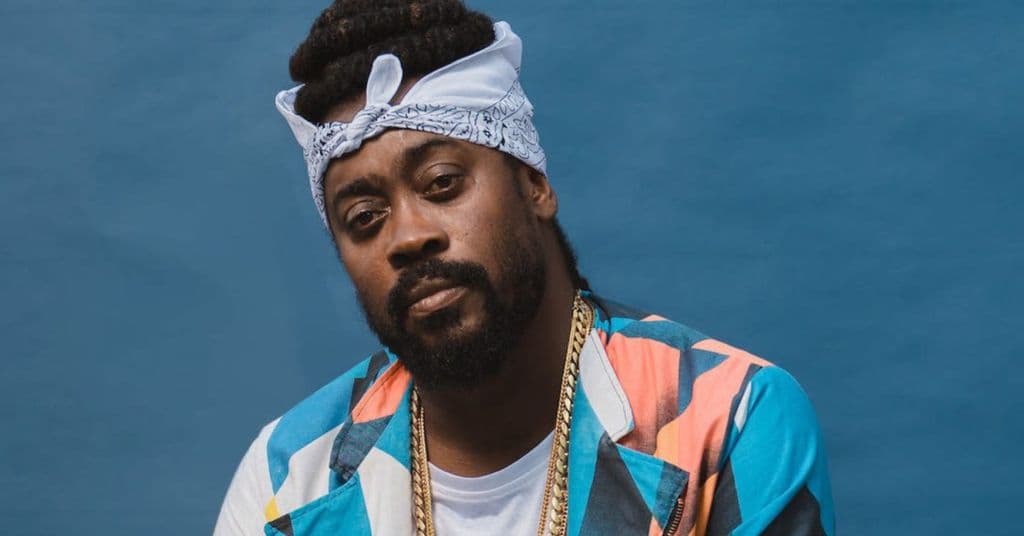
Trinidad and Tobago: Jamaican Dancehall artist Beenie Man has sparked controversy about the roots of the Caribbean Carnival as he believes that Jamaica celebrated its Carnival before Trinidad and Tobago.
During an interview, Beenie Man shared the importance of Jamaican bandleader Byron Lee in promoting the festival and his influence on the modern Carnivals in Jamaica. He noted the use of music trucks and organized street parties, saying that the earlier Trinidadian tradition was not similar to the modern day Carnival.
Historical records prove that Trinidad Carnival originated in the late 18th century when the French immigrants introduced masquerade celebrations. This festival evolved due to the African culture influence, especially after emancipation.
According to the National Library and Information System Authority (NALIS) of Trinidad and Tobago, Carnival was already an important part of public celebrations in Trinidad by the 19th century.
Carnival celebrations also took place in Jamaica during the 1950s, including celebrations at the University of the West Indies in Mona. Byron Lee later helped establish a major street Carnival in Kingston in 1990 using his experience of taking part in Trinidad Carnival.
Locals are going against Beenie Man on social media. One user commented, “The French elite started carnival 2 days before Ash Wednesday in the 1780s in Trinidad. Trinidadians introduced carnival to Jamaica at UWI in the 1940’s that is when it began to take place on the streets. Also, Byrnon Lee created the first carnival show on April 22, 1990. Beenie man shut up and go home man.”
Another stated, “Caribbean Carnival originated in the late 18th century in Trinidad and Tobago, when European plantation owners hosted exclusive pre-Lenten masquerade parties from which enslaved Africans were banned. It's simple, Google it.”