

Main suspect of triple murder of Saint James taken into custody
2024-07-12 08:48:20
Trinidad and Tobago’s 2027 Appropriation Bill passed by 28 votes to 12, as debate continued over government spending, the cost of living and the country’s fiscal priorities.
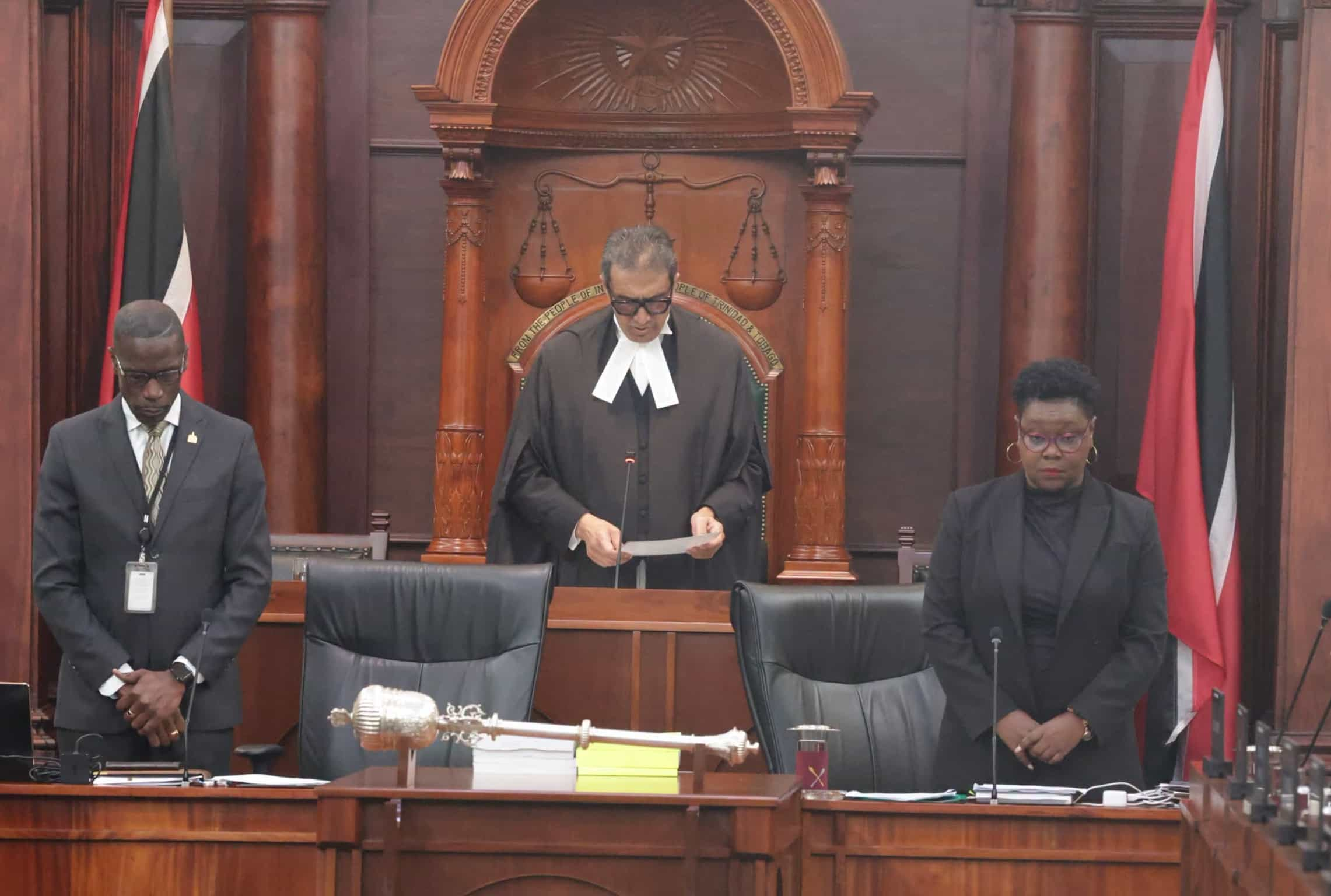
Trinidad and Tobago: The Appropriation Bill 2027 simply known as Budget was presented in the House of Representatives on October 24,2026 and ever since has become an active topic for discussion.
The Trinidad and Tobago government presented the Appropriation Bill 2027, known as Budget in common man language in the House of Representatives on Saturday, October 24,2026 wherein the budget passed with a total of 28 votes in favour of it and 12 votes against it with 0 absentees. The 28 members in favour of the budget are members from the ruling party government while the 12 members against it are the members from the opposition party.
Under the theme of “People- Centered Approach”, Prime Minister Kamla Persad - Bissessar and Finance Minister Davendranath Tancoo presented the 2027 budget with the motive of boosting economic growth through the private sector, protecting vulnerable citizens and restoring fiscal stability and steadiness.
Keeping in focus the impact of financial fluctuations on the citizens of the country, the government focused on trying to provide the best possible ways to ensure living security to its citizens by the means of increased grants, higher pensioner tax breaks and housing grants.
Further stretching it up with dedicated funds being exclusively utilized for betterment of healthcare, education and training and national security. To back up the economic diversification and job creation, the government heavily relies on achieving the export targets, tourism expansion and introducing new state enterprise reforms to promote trade and businesses.
To strengthen the financial conditions of the country the government aims to manage 2.1% GDP in 2027 to win over the confidence and trust of the IMF. In addition to the above stated plans, the government has also developed investment strategies by introducing wealth generational strategies like Retail Government Securities Programme with the aim of welfare of its citizens.
This current Appropriation Plan is facing criticism from the opposition because of its “Spending Strategies”, with the oppositions highlighting its economic impact on the nation’s treasury and its citizens, citing the reasons for the backlash received.
The opposition states that it is important to focus on the Economic Outlook and cost of living at present in the country. Materializing the budget as a failure in these aspects, opposition presented their views by arguing that the budget presented adds stretched financial stress on the common public also failing to entail unemployment and the increased living costs. They further acclaimed the government of not executing its promised commitments as well along with top level fiscal mismatch strategy and inefficiency.


