PM Drew engages with the participants of crime intervention summer soccer camp
2024-08-06 07:45:47
Low river levels caused by a prolonged dry season are reducing water supply from North Oropouche and Quare treatment plants, affecting communities including Arima, Sangre Grande, and Valencia.
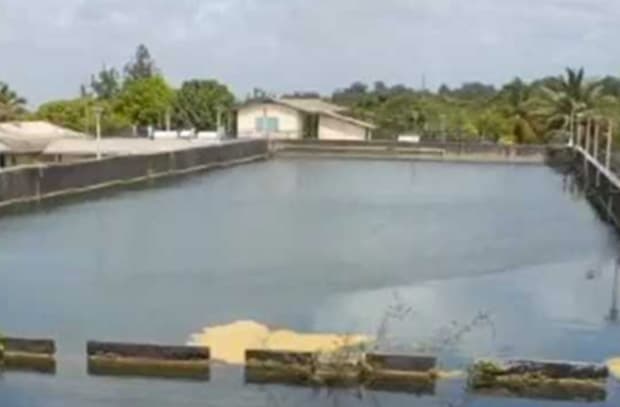
Trinidad and Tobago faces water shortages
Trinidad and Tobago is experiencing reduced water supply in the North-East. The Water and Sewerage Authority (WASA) said low river levels, caused by a prolonged dry season, have been affecting several communities.
On 12 May, 2026 a statement was released by WASA where they mentioned that the reduced production at the North Oropouche and Quare water treatment plants has affected supply to a number of areas, despite the start of the 2026 wet season.
According to the Trinidad and Tobago Meteorological Service the wet season started from 5th May, 2026. However, the Water and Sewerage Authority mentioned that the river sources remain depleted beyond normal seasonal recovery levels because of below-average rainfall during the dry season.
WASA stated that the North Oropouche Water Treatment Plant is presently operating at 16 million gallons per day. Also, the Quare Treatment Plant in Valencia has also reduced its production levels.
As per the authorities both the facilities continued operating around the clock, and full production was expected to resume once river water levels recovered.
There are many areas which are supplied by the North Oropouche Plant and affected by reduced water service. Some of these places include parts of Arima, Brazil, Green Vale, Carapo, Maloney, Five Rivers, Christine Hill Road, Malabar, Manuel Congo, Mausica Main Road, Sangre Grande, Manzanilla and Guaico.
The Water and Sewerage Authority said that the customers in parts of Valencia, Mt. Carmel, Orchid Drive, Orchid Extension, Mora Trace, Rustauna, San Pedro, La Platta, Valencia Old Road and Casuarina Boulevard were also experiencing reduced water supply due to lower production at the Quare Treatment Plant.
WASA explained that they are carefully managing the available water supply to ensure that all the affected communities receive a fair distribution while river levels get back to their normal range.
Residents were also encouraged to conserve water during this period by storing water in clean covered containers, fixing leaking pipes and taps, using buckets instead of hoes to wash vehicles and avoiding unnecessary water use.
WASA added that even with rainfall, it could take several days or even weeks for river and reservoir levels to fully recover.