WCPL 2024: Deandra Dottin saves hope for former champions
2024-08-26 06:36:00
The Judicial Committee of the Privy Council in London heard the final appeal in Trinidad and Tobago's landmark same-sex intimacy case on Wednesday, with a written judgment expected later this year.
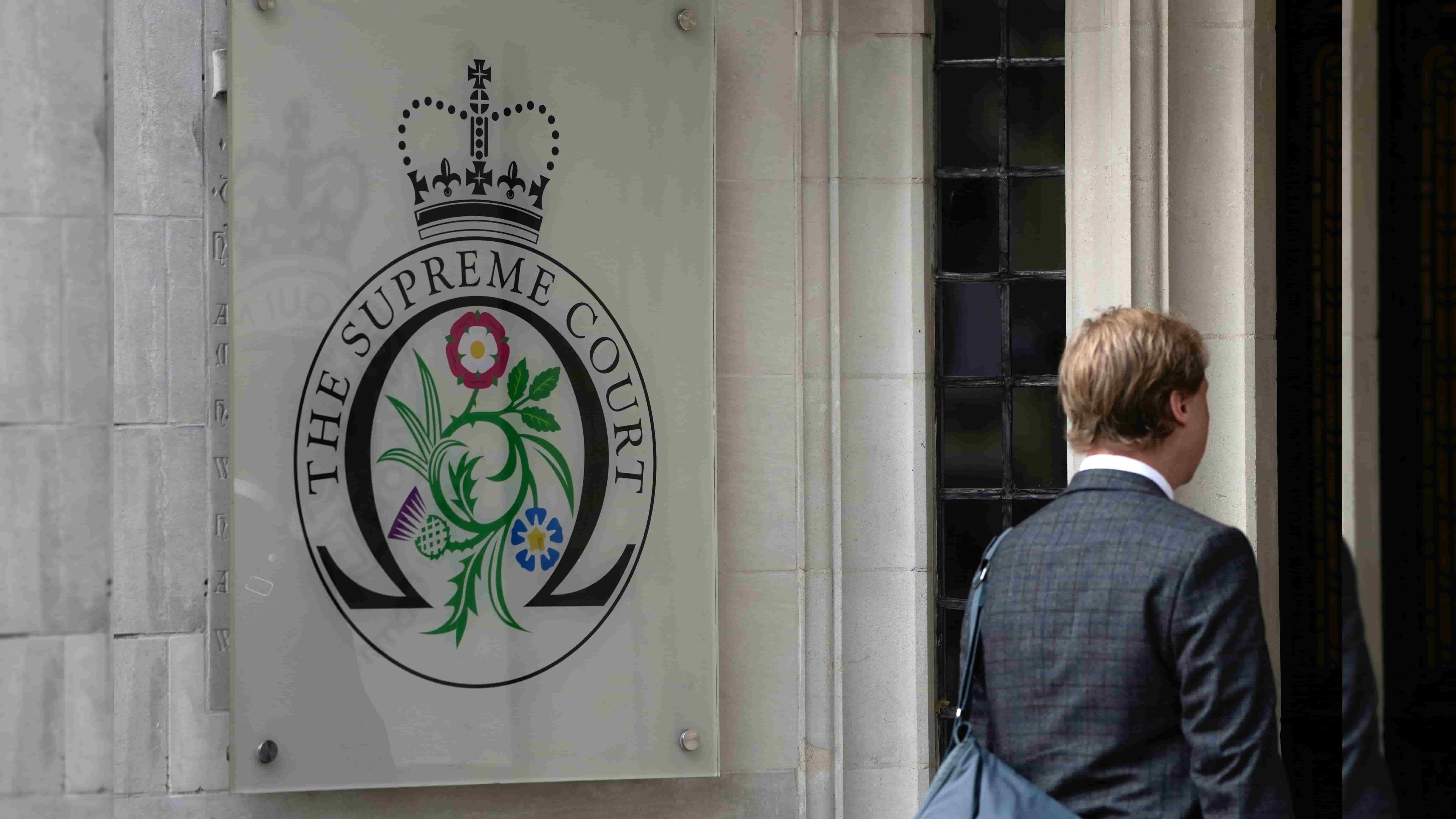
The Judicial Committee of the Privy Council in London heard the final appeal on Wednesday, July 8, in a landmark legal challenge to Trinidad and Tobago's colonial-era laws criminalising same-sex intimacy. The case, which has been ongoing for nearly a decade, could have far-reaching implications for LGBTQ+ rights across the Caribbean.
A final written judgement from the five judge panel is expecting to follow later this year. The outcome of this legal battle would decide whether the twin island nation will finally decriminalise same sex intimacy, or keep a law that human rights groups
The case was originally filed in February 2017 by Jason Jones, a 61 year old Trinindaian activist who left the islands in the 1990s following homophobic violence and public targeting.
The case has wound its way through several courts. In April 2018, Trinidad’s High Court found the laws unconstitutional, but the local court of appeal partially reversed that ruling in March 2025.
The judges ruled that the laws were protected by a constitutional mechanism known as the ‘savings law clause.’ This clause prevents laws that existed before Trininda’s independence from being overturned by local constitutional challenges.
The legal challenge represents an effort to erase the existing footprints of the British Empire. The anti-homosexuality legislation was originally introduced to Trinidad by British authorities in 1925, long before the nation achieved independence in 1962.
The activists and supporting legal groups argued that keeping these laws creates an environment of fear and mental distress, particularly for young people. “ A law of this kind operates not only through arrest and conviction, but through the stigma, fear, concealment, and exclusion,” legal teams representing Jones stated in their written arguments to the court.
The Trinidadian government is fighting to keep the laws in place, their position is heavily backed by influential conservative religious groups, including the country’s Council of Evangelical Churches and its largest Hindu organisation, the Sanatan Dharma Maha Sabha. These groups argue that the courts must respect the historical boundaries of the constitution and the country’s traditional values.
The five judge panel in London is expected to issue its final written judgement later this year, likely by September. The ruling will have immediate consequences far beyond Port of Spain.
While nations like Barbados, Dominica, Antigua and Barbuda and St. Lucia have recently struck down similar laws through their own courts, gay sex remains a crime in Grenada, Jamaica and St. Vincent and the Grenadines.
If the Privy Council rules in favour of decriminalisation, it will set a binding precedent that could effectively dismantle colonial-era anti gay-laws in at least ten other independent nations across the Commonwealth.