Saint Lucia: First-ever CIP housing project launched, 64 units to be built in first phase
2024-06-17 04:57:51
Antigua and Barbuda recorded the lowest gasoline and diesel prices among ECCU members in July, while also ranking second for the lowest cooking gas prices.
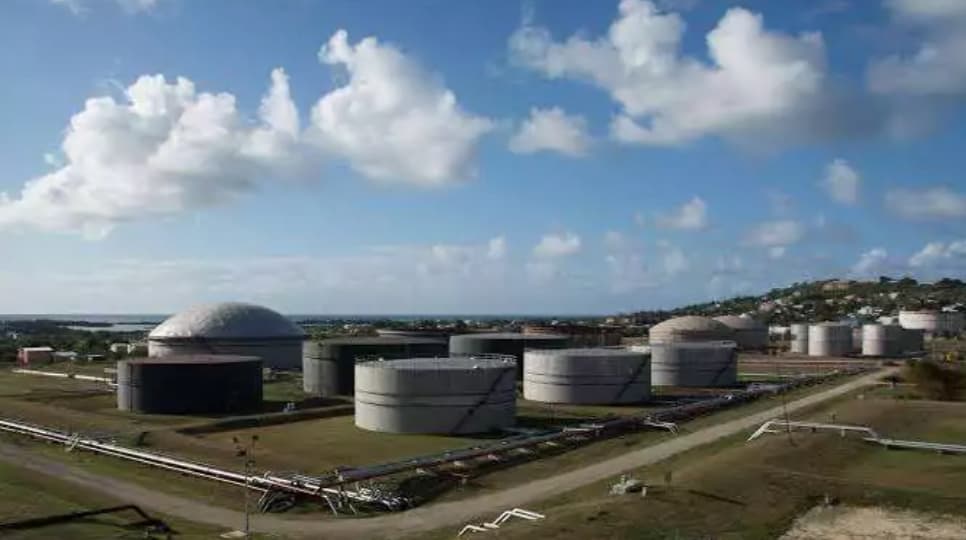
Antigua and Barbuda fuel prices
Antigua and Barbuda has recorded the lowest gas and diesel prices across the Eastern Caribbean Currency Union (ECCU) in July 2026. This information is provided by the Eastern Caribbean Central Bank (ECCB) in its latest released fuel price data.
According to the ECCU report that was released on 17 August, Monday, the Average Fuel Prices shows that gasoline in Antigua and Barbuda was priced at EC$14.50 per imperial gallon. This price is the lowest among the eight ECCU member countries.
The diesel prices of the country were also the lowest among the ECCU members, priced at EC$14.25 per imperial gallon. The regional averages for gasoline and diesel were EC$17.66 and EC$18.16 respectively.
These gasoline and diesel prices have placed Antigua and Barbuda below other ECCU member countries and other regional counterparts. According to the ECCB’s report, the prices of gasoline reached as high as EC$20.74 per gallon in Montserrat. The price of diesel reached EC$23.20 in St. Kitts and Nevis.
Antigua and Barbuda has also ranked among the more affordable countries in the region for cooking gas, says the report.
After St. Kitts and Nevis, Antigua and Barbuda is the second country with the lowest prices of cooking gas in the ECCU. A 20-pound cylinder of liquefied petroleum gas (LPG) was priced at EC$32 in Antigua and Barbuda. Only in St. Kitts and Nevis, a much lower price was recorded at EC$30.
Antigua and Barbuda lowered the fuel and gas prices by using government money to shield and protect and protect its citizens from high global costs. The consumption taxes that were usually charged by the government on imported fuel were cut down. This helped in keeping the prices of fuel and gas low. The country also paid millions of dollars in subsidies to the West Indies Oil Company in order to freeze retail energy prices. Also, the state utility company absorbed the rising costs of oil to keep the household electricity bills stable. Strict price caps were placed on cooking gas by the government. All these steps helped in stopping major hikes in fuel prices.