Three injured in a Dreadful Car Crash at Reduit
2024-07-09 05:31:33
The government is partnering with Spain to support language education and workforce training, as plans move forward to introduce Spanish across schools and key economic sectors.
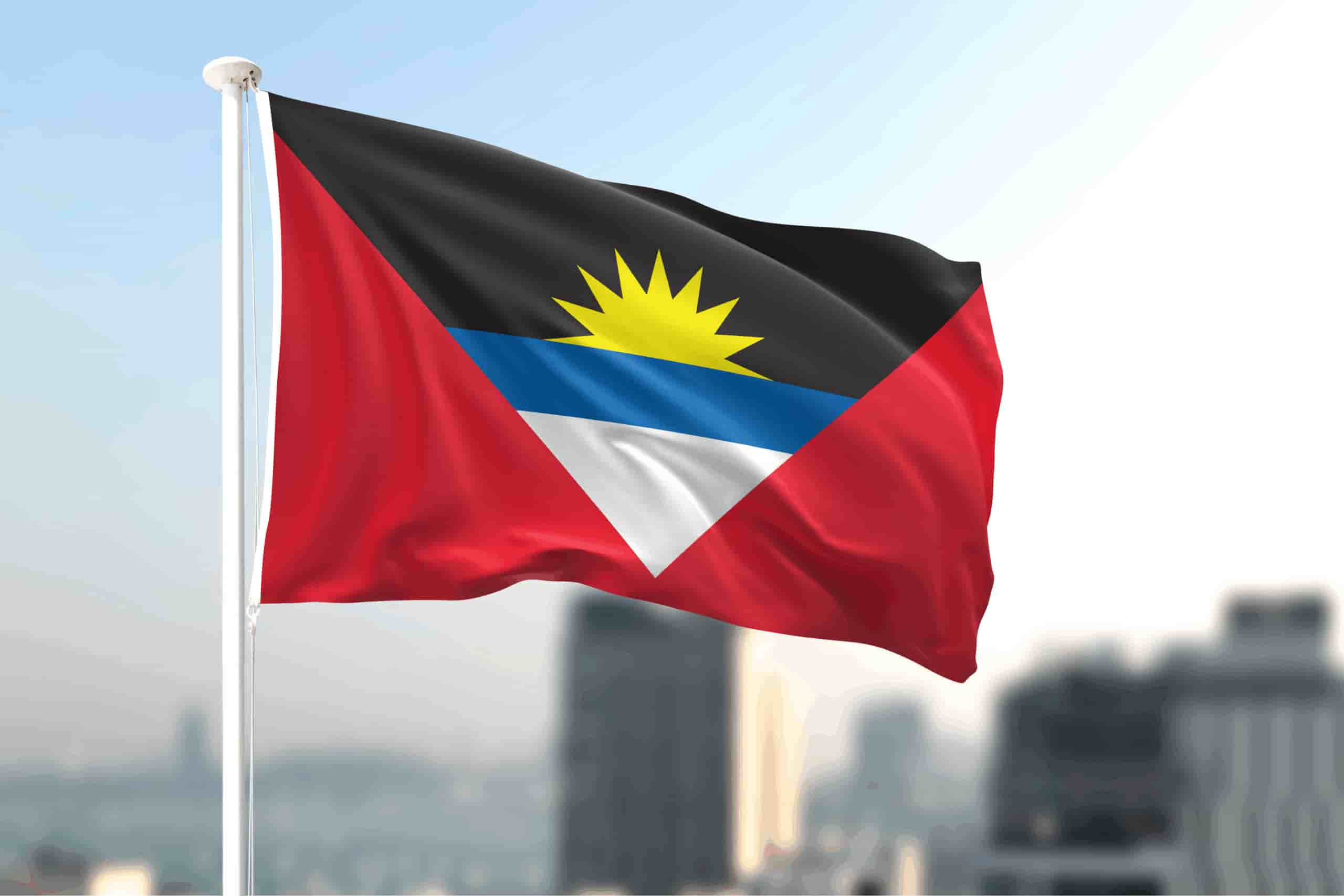
Antigua Spanish language policy
Antigua and Barbuda is all set to make Spanish as their second official language after establishing a historic mandate on May 14, 2026. The government also announced their partnership with Spain for direct and educational assistance to turn the policy into reality.
The cabinet received an update on direct talks with Prime Minister Gaston Browne and Spain’s Ambassador to Jamaica. Madrid has pledged to supply personnel and infrastructure such as Spanish language lectures, teaching materials, education software and a proposal to build a permanent Spanish language and cultural institute directly on the island.
A reciprocal program allowing Antigua and Barbuda teachers to travel to Spain to teach English,paired with bilateral student exchange and scholarship opportunities.
The government isn’t just looking at classrooms, they are training the current workforce professionals. Specialised, immediate language programs are being deployed for frontline economic workers; Tourism & Hospitality, Airport & Seaport operations and Customs & National Security services.
Despite the international diplomatic success, the policy has ignited a highly polarized debate across local radio talk shows and digital community forums.
Critics and opposition voices have expressed fierce scepticism over the time and fiscal properties of the administration.
Many contend that public funds would be better utilised to repair the nation’s deteriorating physical infrastructure and combat rising domestic crime rates rather than financing a sweeping overhaul of the school system.
Political commentators have also alleged that the ruling Antigua Barbuda Labour Party (ABLP) is utilising the language mandate and the DRIP initiative as a political tool to firmly capture the influential Dominican voting bloc ahead of future electoral cycles. Meanwhile, some local factions argue that the burden of assimilation should rest on immigrant populations to master English, rather than mandating bilingualism for the native-born population.
The Ministry of Education, Science, and Technology is currently finalizing the structural layout of the new curriculum, which will mandate Spanish language immersion starting at the pre-school level and extending through primary and secondary education.