St Kitts and Nevis launches training program to combat crime
2024-08-13 07:25:47
Lightning activity caused two transmission circuits to trip on Tuesday night, leading to a temporary voltage dip across Trinidad and Tobago, but electricity supply remained uninterrupted.
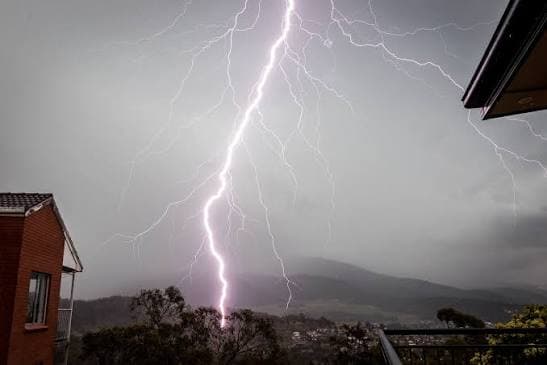
Intense lightning activity across Trinidad and Tobago on Tuesday evening caused a temporary drop in electricity voltage nationwide. However, the Trinidad and Tobago Electricity Commission(T&TEC) has assured citizens that the national power grid remains stable and fully operational.
The disturbance occurred at approximately 9:15 PM as a tropical wave brought severe thunderstorms and heavy lightning to central Trinidad.
According to T&TEC, the adverse lightning activity forced two critical circuits to trip between the Brechin Castle and Debe 132 kV Substations. This sudden interruption led to a noticeable voltage dip, causing lights to briefly dim or flicker in households and businesses across the country.
T&TEC emphasised that the brief dip did not escalate into a widespread blackout. The utility company’s built-in automated protection system immediately intercepted the fault, rapidly opening and closing circuit breakers to isolate the issue and restore normal voltage levels within fractions of a second.
“There was no interruption to the supply of residential customers. We assure the public that the national electricity grid remains stable following the significant voltage dip.”
Unlike a complete blackout where power shuts off entirely, a voltage dip is a temporary reduction in electrical pressure. During the event on Tuesday, power continued to flow through the network, but the brief drop in intensity meant electrical appliances and lightbulbs momentarily received less energy than required to run at full brightness.
Weather officials noted that high frequencies of lightning flashes were recorded throughout the evening. While trailing weather systems are expected to bring scattered showers, T&TEC maintenance and engineering teams continue to monitor the network to maintain structural grid integrity. No damage to major localised infrastructure has been reported.